




Ever had one of those days where you’ve been on your feet for hours, and by the end of it, they’re aching, tired, and just begging for a little TLC? We’ve all been there. Our feet are the unsung heroes of our bodies, carrying us through every step of our lives, yet they’re often the most neglected. If you’ve found yourself searching for “pentikioyr,” you’ve already taken the first step toward changing that. But what exactly is it, and why is it so much more than a simple splash in a footbath?
Let’s dive into the wonderful world of pentikioyr and discover how this essential treatment can transform not just your feet, but your overall well-being.
So, What Exactly is a Pentikioyr?
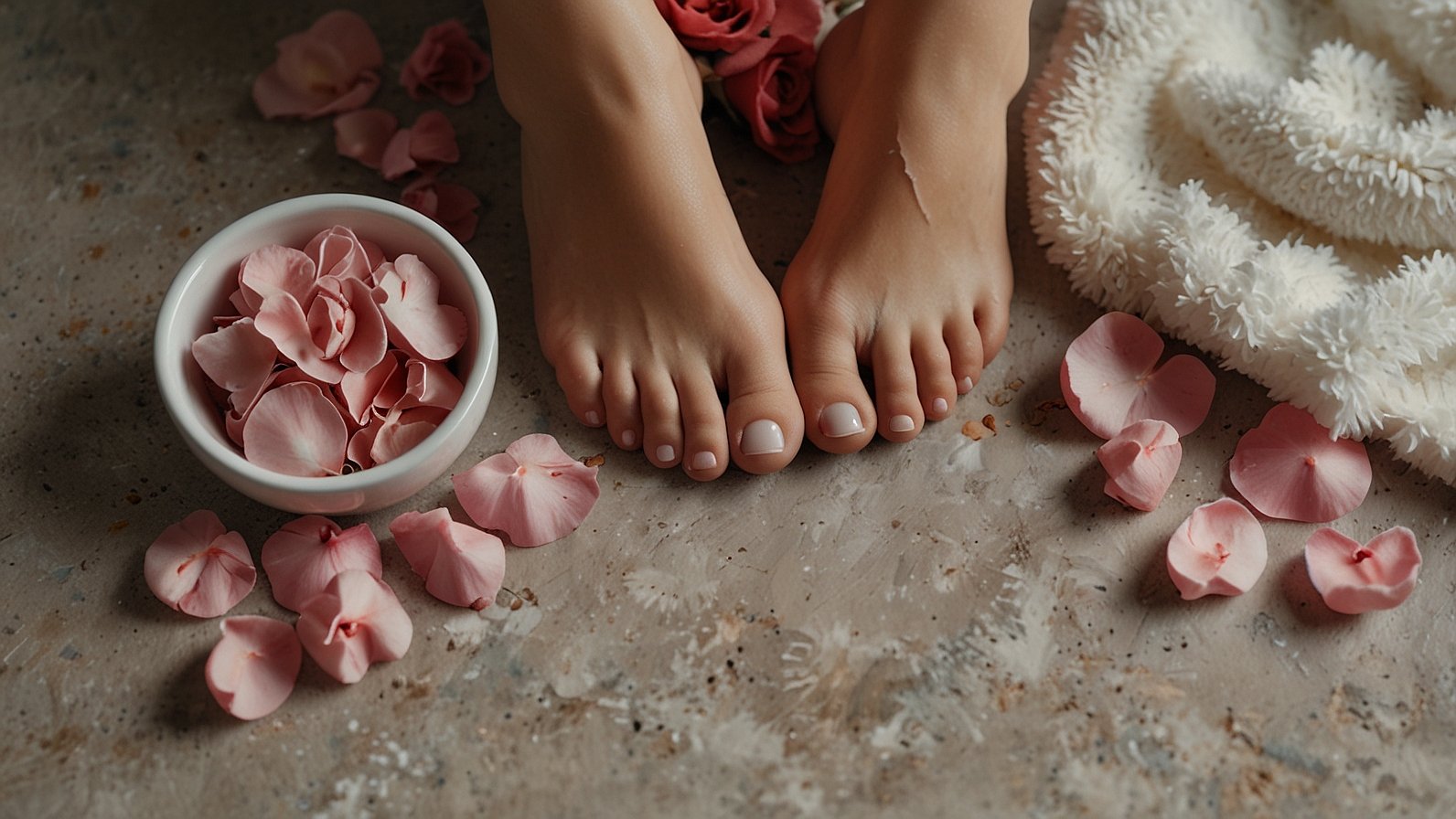
At its heart, a pentikioyr is the Greek term for what we commonly call a pedicure. But for many, it represents a specific approach to foot care—one that blends cosmetic beauty with genuine health benefits. It’s not just about pretty polish; it’s a full-service treatment for your feet.
Think of it like this: if a standard shoe shine is about making your shoes look good on the outside, a pentikioyr is like getting the insoles replaced, the leather conditioned, and the laces renewed all at once. It’s a holistic refresh from the inside out.
A typical professional pentikioyr service includes:
- Soaking & Exfoliation: Softening the skin and sloughing away dead cells.
- Nail Care: Trimming, shaping, and cleaning the cuticles.
- Callus Removal: Gently buffing away rough, hardened skin.
- Massage: A crucial step for improving circulation and relieving tension.
- Moisturizing: Hydrating the skin to keep it soft and supple.
- Polish Application: The finishing touch of color or a clear, protective coat.
Why Your Feet Deserve a Pentikioyr: The Surprising Benefits
You might think a pedicure is a luxury, and while it certainly feels indulgent, the health perks are very real. Regular pentikioyr sessions can be a game-changer.
- Prevents Foot Problems: By managing calluses and corns, you can prevent the pain and discomfort they cause.
- Improves Circulation: The massage and soaking stimulate blood flow, which can reduce swelling and that heavy, achy feeling at the end of the day.
- Promotes Skin Health: Exfoliation and moisturizing prevent cracked heels and keep the skin on your feet healthy and resilient.
- Early Detection: A trained technician might spot early signs of issues like fungal infections, ingrown toenails, or even circulation problems, prompting you to see a podiatrist.
- Boosts Mental Wellness: Let’s be honest, 45 minutes of seated relaxation while someone pampers you is a fantastic stress-buster. It’s a legitimate form of self-care.
Your At-Home Pentikioyr Guide: A Step-by-Step Ritual
Can’t make it to the salon? No problem. You can create a lovely pentikioyr experience right in your own bathroom. Here’s how to do it safely and effectively.
What You’ll Need:
- A large basin or foot spa
- Warm water
- Epsom salts or a gentle soap
- A pumice stone or foot file
- Nail clippers and a file
- An orange stick for cuticles
- A rich foot cream or lotion
- Your favorite nail polish and top coat
The Process:
- The Soak: Fill your basin with warm (not hot) water. Add a handful of Epsom salts for muscle relaxation or a few drops of a mild, moisturizing soap. Soak your feet for 10-15 minutes to soften the skin.
- The Trim & Shape: Gently dry your feet. Trim your toenails straight across—avoid rounding the corners to prevent ingrown toenails. Then, use a file to smooth the edges.
- The Exfoliation: This is where you tackle calluses. Use a pumice stone or foot file on damp skin, rubbing in one direction with gentle pressure. Pro Tip: Don’t go overboard! The goal is to reduce thickness, not remove it entirely, which can damage your skin.
- The Cuticle Care: Push back your softened cuticles with an orange stick. Avoid cutting them unless absolutely necessary, as they act as a protective barrier against infection.
- The Massage & Moisturize: This is the best part! Apply a generous amount of foot cream and spend a good 5-10 minutes massaging each foot. Start from the toes and work your way up to the ankle, using your thumbs to apply firm, circular pressure.
- The Polish (Optional): If you’re using polish, wipe your nails with a little remover to ensure they’re clean and oil-free. Apply a base coat, two thin coats of color, and a top coat for longevity. Let each layer dry thoroughly.
Choosing the Right Salon for Your Pentikioyr
When you decide to go pro, your top priority should be safety and hygiene. A great salon experience is wonderful, but a clean one is non-negotiable.
Q: How can I be sure a salon is hygienic?
A: Look for these green flags:
- Licensed Technicians: The staff should be properly trained and licensed.
- Autoclave Sterilization: Tools like metal nippers and files should be sterilized in an autoclave (a high-pressure steam device) between clients. If you see them using a simple UV light box, that’s not sufficient.
- Clean Implements: Look for single-use items like nail buffers, emery boards, and toe separators. They should be opened from a new package just for you.
- Spotless Environment: The foot baths should have disposable liners or be visibly cleaned and disinfected right before your service.
Don’t be shy about asking questions! A reputable salon will be happy to explain their sanitation procedures.
Pricing and What to Expect
The cost of a pentikioyr can vary widely based on your location and the type of salon. Here’s a quick breakdown:
- Basic Pedicure: ($25-$40) Includes the standard soak, nail trim, file, and polish.
- Spa/Luxury Pedicure: ($45-$75) Includes all the basics plus extended massage, a mask or paraffin wax treatment, and higher-quality products.
- Medical Pedicure: ($60-$100+) Performed by a podiatrist or a highly specialized technician, focusing on medical issues like severe calluses, diabetes-related foot care, and thick fungal nails.
When you book, just ask what’s included so there are no surprises. And remember, tipping your technician (around 15-20%) is standard practice if you’re happy with the service.
Your Foot Care Journey Starts Now
Our feet do so much for us, and giving them the attention they deserve with a proper pentikioyr is one of the simplest yet most rewarding acts of self-care. Whether you’re treating yourself to a salon day or carving out time for a home ritual, the benefits are undeniable.
Your 3 Actionable Steps:
- Schedule It: Block out 60 minutes in your calendar this week for an at-home pentikioyr or book that salon appointment you’ve been putting off.
- Invest in Your Kit: Get a good pumice stone and a rich, moisturizing foot cream. Your future self will thank you.
- Inspect Regularly: Make a quick visual check of your feet part of your weekly routine to catch any potential issues early.
Have you had a memorable pentikioyr experience? Or do you have a favorite foot care tip? Share your thoughts in the comments below—we’d love to hear from you!
You May Also Read: MotoAssure Reviews: Is This Your Car’s Financial Safety Net?
FAQs
How often should I get a pentikioyr?
For maintenance, every 4-6 weeks is a good rule of thumb. If you’re doing at-home care, a mini version once a week can help you stay on top of things.
Is it safe to get a pedicure if I have diabetes?
You must be extra cautious. Consult your doctor first. If you get the green light, seek out a salon that specializes in medical pedicures and has strict sterilization protocols, or see a podiatrist directly.
What’s the difference between a pedicure and a pentikioyr?
Essentially, they are the same thing. “Pedicure” is the common English term, while “pentikioyr” is the direct Greek transliteration. In practice, some may use “pentikioyr” to evoke a more traditional or holistic approach to the service.
How can I make my pedicure polish last longer?
Always use a base coat and a top coat. Avoid wearing tight shoes or socks for at least a few hours after polishing to prevent smudging. Also, applying a fresh top coat every few days can significantly extend the life of your polish.
Can I get a pedicure if I have a fungal nail infection?
It’s best to avoid a cosmetic pedicure and see a podiatrist for treatment. Going to a regular salon can spread the infection to other clients, even with proper cleaning.
What should I do if I get a cut during a pedicure?
Inform the technician immediately. They should clean the area with an antiseptic. When you get home, keep it clean, apply an antibiotic ointment, and cover it with a bandage until healed.
Are gel pedicures safe?
They are generally safe when applied and removed correctly by a trained professional. The main risk comes from improper removal, which can thin and damage the nail plate. Ensure the salon doesn’t scrape the polish off aggressively.