





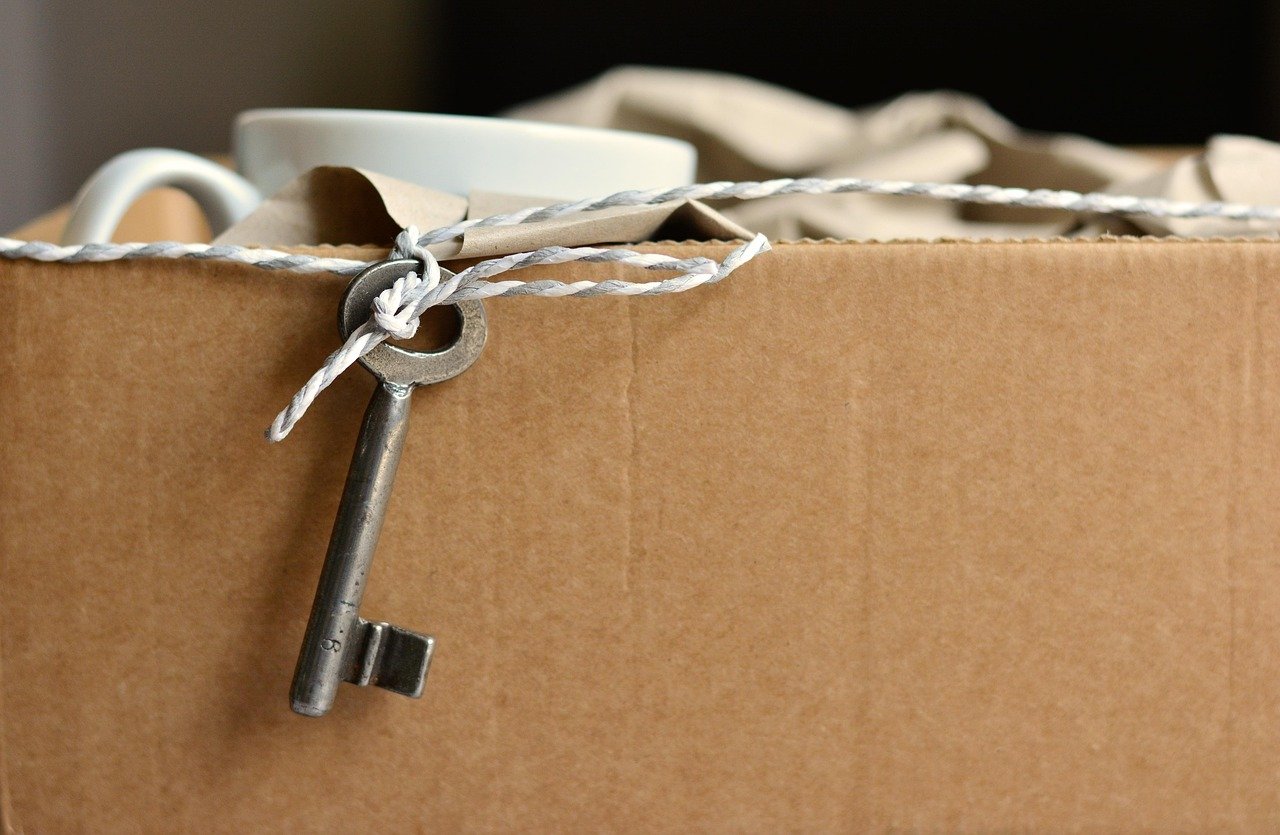
Moving from an apartment to a house presents unique challenges beyond the typical relocation tasks. The change in living environment, scale, and responsibility requires careful planning to avoid logistical, financial, and organizational difficulties. Anticipating these challenges in advance helps ensure a smoother transition and reduces unexpected stress during the process.
Managing volume and space
Apartments often have spatial limitations that naturally restrict the accumulation of belongings over time. Moving into a private house usually means having more rooms, storage areas, and outdoor spaces, which complicates decisions about what to bring, replace, or acquire. Determining how existing furniture will fit in larger or differently shaped rooms requires advance measurement and layout planning. Without this preparation, households may make unnecessary purchases, experience overcrowding, or inefficiently use available square footage.
Logistical coordination
While apartments typically have centralized access points, such as elevators, loading zones, and managed entry systems, private houses vary widely in accessibility. Driveway length, staircases, narrow entrances, and uneven terrain can affect how items are loaded and unloaded. Moving trucks may require different positioning, and additional carrying distances may increase labor time. Therefore, it is essential to communicate these factors clearly when arranging moving services https://paramountmoving.ca/victoria/ to avoid scheduling delays or added costs.
Utilities and services
In apartment buildings, these services are usually bundled or managed by property administrators. Homeowners of private residences, on the other hand, must independently arrange for electricity, water, heating, internet, waste collection, and security services. To ensure the house is functional upon arrival, it is essential to coordinate activation dates to align with move-in schedules. Failing to make these arrangements can result in temporary service disruptions that can throw off daily routines.
Financial planning
Moving into a private home may result in higher ongoing expenses, including utilities, insurance, property taxes, and maintenance costs. Budgeting for these changes in advance can help prevent financial strain. Additionally, initial setup costs, such as furnishing larger spaces, purchasing outdoor equipment, or carrying out minor renovations, may coincide with moving expenses.
Maintenance and organization
- Unlike apartments, where maintenance is usually handled by the management company, homeowners are responsible for maintaining their own houses. This may involve acquiring tools, equipment, and basic maintenance knowledge. Seasonal considerations, such as lawn care, snow removal, and exterior inspections, may also require immediate attention after moving in, adding to the initial workload.
- Moving from a shared residential environment to private property changes daily routines, neighborhood dynamics, and personal responsibilities. Preparing documentation, updating addresses, and adjusting to new surroundings all require time and attention.
Addressing these challenges systematically enables households to approach the move with clarity and confidence.
YOU MAY ALSO LIKE: Moving Into a New Apartment in Philadelphia? Here’s Why You Need Movers