




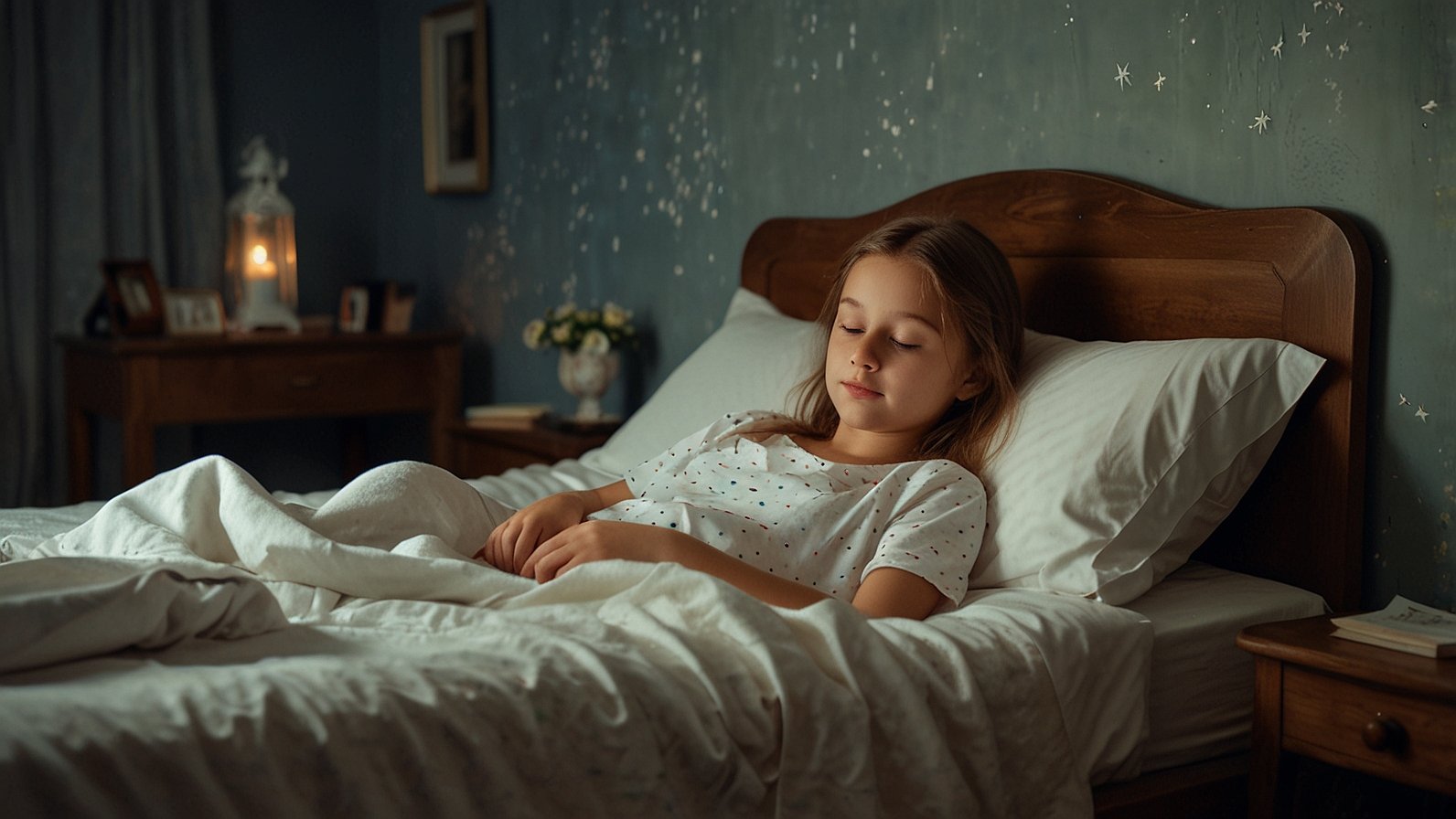
Have you ever watched a child finally surrender to sleep, their eyelids fluttering closed after a long, busy day? That moment of pure, peaceful quiet is something we all crave, isn’t it? Now, imagine having a simple, centuries-old key to unlock that calm every single night. This isn’t about fancy gadgets or apps; it’s about the timeless power of words. In the heart of Europe, Czech families have long held this secret, wrapped in a charming phrase: basniãƒâ€žã‚â ky na dobru noc.
That’s right, we’re talking about bedtime poems. But not just any poems. Think of them as little verbal lullabies, short verses whispered in the soft glow of a nightlight, designed to wish a genuine “good night” and guide the listener into a world of pleasant dreams. This beautiful tradition is more than a routine; it’s a gentle cultural hand-off from one generation to the next, teaching kindness, wonder, and the importance of rest. Let’s pull up a chair, get cozy, and explore how these simple poems can transform your own nighttime ritual.
Understanding Basniãƒâ€žã‚â Ky Na Dobru Noc
First things first, let’s unpack that phrase. “Basničky na dobrou noc” (the correctly transliterated term) translates directly to “poems for good night.” It’s a cultural label for a specific type of short, rhythmic, and soothing verse. The magic isn’t in complex metaphors or epic stories. Instead, it’s in the feeling they evoke—safety, warmth, and closure.
Think of SEO as a party where your keyword is the guest of honor. In this case, our guest of honor, basniãƒâ€žã‚â ky na dobru noc, represents an entire world of familial love and tranquil sleep. These poems often feature familiar, comforting images:
- Gentle animals like sleeping hedgehogs or dreaming birds.
- Whispering trees and quiet, twinkling stars.
- Simple wishes for sweet dreams and a sunny tomorrow.
- Rhythms that mimic a slow, steady heartbeat or a calm breath.
Their primary goal is to signal to the brain, “Hey, the day is done. It’s time to power down.” They replace the noise of the day with a melody of calm, making them a powerful, screen-free tool for anyone’s sleep toolkit.
The Cultural Roots and Heartwarming Benefits
This tradition is stitched deeply into the fabric of Czech family life. For decades, grandparents and parents have reached for well-worn books of poetry to share these nightly moments. It’s a practice that does double duty: it builds an incredible bond and sets the stage for quality sleep. The benefits are as clear as a starry night sky.
Building Unshakable Bonds: This isn’t a passive activity. It’s 5-10 minutes of undivided attention, a quiet island in a noisy world. That consistent, shared moment tells a child—or even a partner—that they are the priority. It’s a bedrock for security and love.
Boosting Language and Imagination: The playful sounds, rhymes, and pictures painted by the words are a fantastic workout for a young brain, fostering a natural love for language. For adults, it’s a delightful return to simplicity and whimsy.
Creating a Powerful Sleep Signal: Our brains love routine. When a calming poem consistently precedes sleep, the mind begins to associate those words with shutting down. It’s a classical conditioning for coziness!
Passing on Gentle Values: Many of these little verses softly weave in lessons about kindness to animals, gratitude for nature, and the importance of friendship and family.
How to Weave This Tradition Into Your Modern Life
You don’t need to be Czech or a poet to bring this magic into your home. It’s wonderfully simple to start. Here’s how you can begin your own journey with the spirit of basniãƒâ€žã‚â ky na dobru noc.
Start Simple, Keep it Short: The best bedtime poems are bite-sized. Look for verses that are 4-8 lines long. The focus is on the soothing rhythm, not a long narrative.
Make it a Ritual: Consistency is key. Slot the poem into your existing bedtime routine—perhaps after brushing teeth and before the final cuddle. The predictability is comforting.
Use a Soothing Voice: This is the most important tool. Read slowly. Let your voice be soft, gentle, and melodic. It’s not a performance; it’s a soothing stream of sound.
Get Interactive (For Kids): Let children choose the poem from a small selection. You can also gently pause to let them fill in a rhyming word or ask what they think the sleeping mouse is dreaming about.
Find or Create Your Poems: You can search for translated Czech poems online, or adapt simple English nursery rhymes. You can even become a poet yourself! Craft a short verse about your child’s day or a favorite stuffed animal. The personal touch makes it incredibly special.
A Quick Guide: Traditional Lullaby vs. Basnička na Dobrou Noc
| Feature | Traditional Song Lullaby | Basnička na Dobrou Noc (Bedtime Poem) |
|---|---|---|
| Format | Sung melody, often with music | Spoken or softly recited verse |
| Primary Tool | Melody & repetition of tune | Rhythm, rhyme, and calming imagery |
| Flexibility | Fixed tune and lyrics | Easier to adapt, change, or personalize |
| Core Goal | To soothe and lull with sound | To wish good night, calm the mind, and affirm safety |
Your 5-Step Starter Plan for Peaceful Nights
- Choose Your Moment: Tonight, 5 minutes before lights-out, put away all screens.
- Get Comfy: Snuggle up in a favorite spot, dim the lights.
- Pick a Poem: Start with something very short. A simple “Good night, star light, sleep tight, bear bright” works perfectly.
- Recite with Calm: Use your gentle voice. Don’t worry about perfection.
- Seal it with a Kiss: Follow the poem immediately with your usual goodnight kiss and wishes. Watch the magic begin.
Wrapping Up the Cozy Conversation
So, there you have it. The beautiful tradition of basniãƒâ€žã‚â ky na dobru noc is really a reminder of something profound yet simple: our words have the power to comfort, connect, and calm. In a world that’s always buzzing, this practice offers a precious pocket of peace. It’s a direct line to the heart, whether you’re tucking in a toddler, helping an older child unwind, or even creating a lovely ritual with a partner.
Why not give it a try tonight? You don’t need anything special—just a few soft words and a willing heart. Find one short, sweet poem, and share it. You might just find that the person who drifts off to sleep the calmest is you.
Let’s Chat! Do you have a favorite bedtime rhyme or poem from your own childhood? Or maybe you’ll try a basniãƒâ€žã‚â ky na dobru noc-inspired verse tonight? Share your thoughts and experiences in the comments below—I’d love to hear what sweet words you’re using to wish your loved ones good night.
You May Also Like: Doujen Moe: The Heart of Fan-Made Cute
FAQs
What exactly does “basniãƒâ€žã‚â ky na dobru noc” mean?
It’s a phonetic spelling of the Czech phrase “basničky na dobrou noc,” which translates directly to “little poems for good night.” It refers specifically to the tradition of short, soothing bedtime verses.
Are these poems only for children?
Not at all! While deeply rooted in child-rearing, the calming, ritualistic nature of reciting a positive verse can benefit anyone. Adults can use them as a form of mindfulness or a shared ritual to end the day on a gentle note.
Where can I find these poems in English?
You can search for “Czech bedtime poems translated” online. More broadly, look for collections of “goodnight poems” or “short bedtime verses.” The key is to find poems with simple, calming imagery and a gentle rhythm.
Do I have to use existing poems, or can I make up my own?
Absolutely make up your own! Personalizing a poem about your child’s day, their favorite toy, or a pet can make it even more meaningful. The structure is simple: a few rhyming lines that wish peace and pleasant dreams.
How long should a bedtime poem be?
Keep it very short, especially when starting. Aim for 4 to 8 lines. The goal is to soothe, not to engage in a long story that might stimulate the mind.
Can this really help with sleep problems?
As part of a consistent, screen-free bedtime routine, yes. The ritual signals to the brain that it’s time to sleep, and the calming content helps lower anxiety and mental chatter, making it easier to drift off.
Is there a specific time to say the poem?
The best time is in the final 5-10 minutes before lights out, after other preparations (like brushing teeth) are done. It should be the last “event” before sleep.