





Key Takeaways
- Ceramic coatings form a durable, chemically bonded layer that protects vehicle surfaces from environmental hazards.
- The application process involves precise surface preparation and molecular-level bonding for maximum longevity.
- Ceramic coatings offer hydrophobic, oleophobic, UV-resistant, and chemically robust benefits.
- Proper maintenance is crucial for sustaining coating performance and ensuring long-term protection.
Understanding Ceramic Coatings
Ceramic coatings have gained immense popularity among car enthusiasts and professionals seeking superior vehicle protection. Serving as a modern solution for preserving automotive paint, these coatings are primarily composed of high-grade silicon dioxide (SiO₂) and titanium dioxide (TiO₂). When applied, the formula creates a crystal-clear, ultra-durable shell that offers a significant upgrade from traditional waxes or sealants.
The bond formed is fundamentally chemical in nature, providing a shield that is not easily washed or worn away. As these coatings lock in with the vehicle’s paint, they enhance gloss, protect against contaminants, and make maintenance easier. Interested car owners can explore ceramic coating for cars in Midland, TX, to experience these benefits locally. This protective layer also helps preserve the vehicle’s resale value by keeping the paint looking newer for an extended period.
The Bonding Process
Unlike surface-level waxes, ceramic coatings utilize silane additives to form covalent bonds with paint, glass, and metals found on modern vehicles. These silanes contain reactive groups that specifically seek out hydroxyl (–OH) molecules already present on the car’s clear coat and other substrates. After thorough decontamination and polishing, the paint surface is ready to accept the coating at a molecular level, resulting in a semi-permanent, ultra-strong Si–O–Si bond that effectively locks in the ceramic layer for years.
This molecular integration ensures resilience. When applied appropriately, the bond becomes so dense that environmental stressors—such as acid rain, road salts, and industrial fallout—are significantly less likely to penetrate the protective layer or degrade the underlying paint.
Selecting the right finish and professional installation can make a significant difference for those seeking the most advanced protection. To find experienced help locally, searching for an automotive ceramic coating near me offers convenience and peace of mind.
Hydrophobic and Oleophobic Properties
A signature trait of ceramic coatings is their intense hydrophobicity. Treated surfaces repel water, making it bead up and roll off rather than sticking and creating water spots. This property is attributed to the presence of methyl groups and the three-dimensional siloxane network formed during curing. As water slides away, it picks up dirt and light contaminants, allowing for low-maintenance, self-cleaning surfaces.
In tandem, ceramic coatings are also oleophobic—oil and greasy contaminants have difficulty adhering to the treated surface. This effectiveness against environmental and organic pollutants further reduces wash frequency, preserving the pristine appearance of your vehicle.
UV Protection and Chemical Resistance
Ceramic coatings are engineered with nanostructured particles, such as titanium dioxide and zinc oxide, that absorb and radiate away harmful ultraviolet rays. This protection is crucial; prolonged UV exposure can significantly fade and oxidize car paint. Thanks to the dense, cross-linked coating, these nanoparticles block UV light, helping to maintain vibrant colors and a deep gloss even after years of exposure to the sun.
The rigid network of ceramic coating also provides excellent resistance to harsh chemicals, automotive fluids, and environmental acids. Bird droppings, tree sap, road salt, and even some industrial chemicals fail to etch or stain the clear coat when ceramic protection is applied, significantly reducing the risk of permanent blemishes.
Scratch Resistance and Longevity
While not completely scratch-proof, ceramic coatings deliver potent defense against micro-marring, swirl marks, and minor abrasions that can occur from washing or daily driving. The hardness of the cured layer helps absorb light impacts, while some advanced coatings can even self-heal minor scratches through subtle molecular reflow.
Perhaps the most impressive feature of modern ceramic coatings is their longevity. Properly applied and maintained, a ceramic coating can last from two years up to a lifetime, vastly outlasting carnauba wax or synthetic sealants, which often degrade within months. Routine maintenance and occasional top-up sprays help extend this function, ensuring your investment remains secure for the long term.
Application and Maintenance
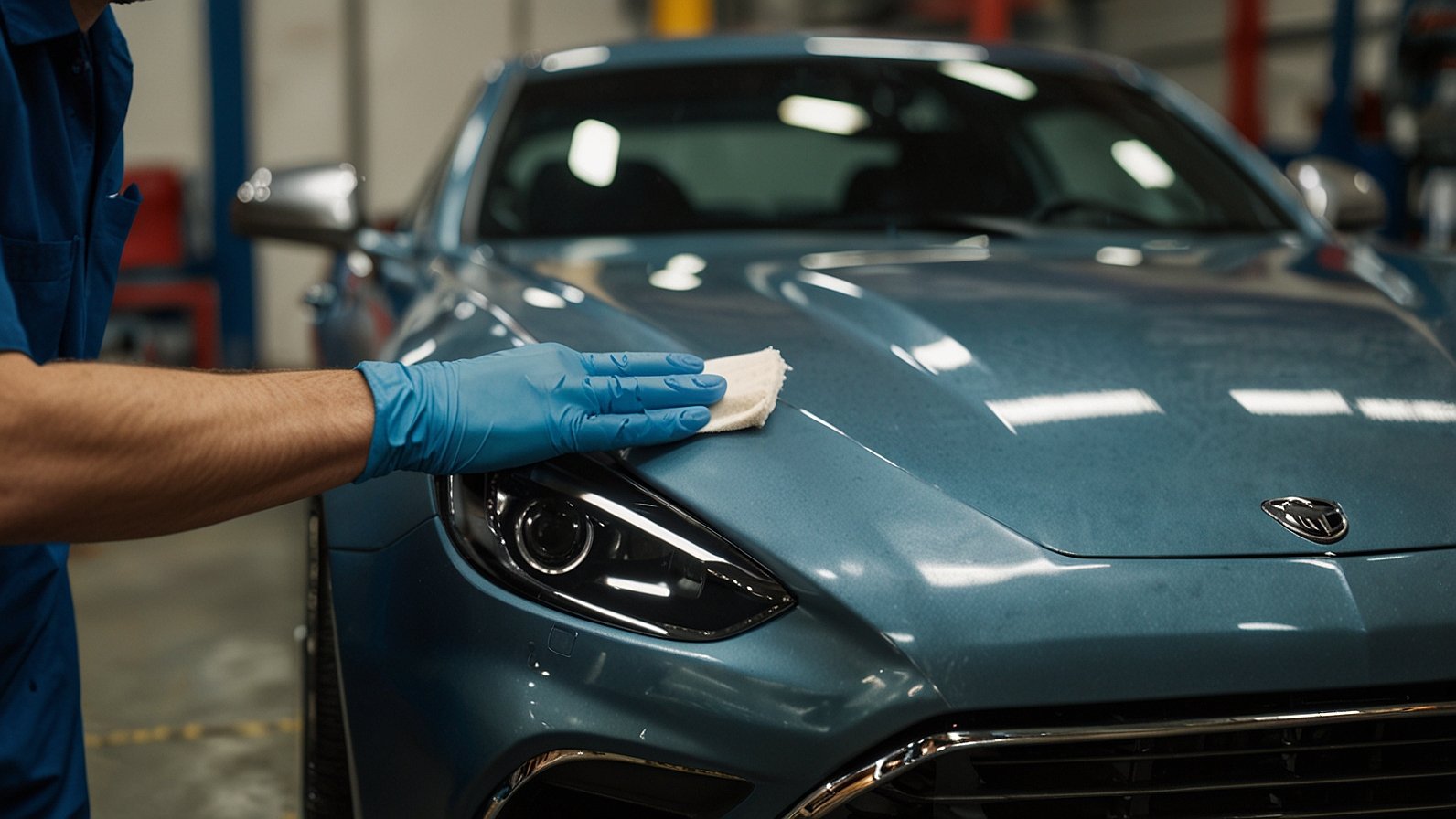
The benefits of a ceramic coating are only fully realized through careful and skilled application. This process starts with a deep clean, decontamination—often involving clay barring—and paint correction to eliminate any pre-existing scratches or blemishes. Any remnant of dirt or oil can undermine the molecular bond, so professional application often includes meticulous inspections before curing.
After application, the coating must cure uninterrupted—sometimes for up to 48 hours—before being exposed to water or heavy soiling. Gentle maintenance, using pH-neutral car wash soaps and soft microfiber towels, helps preserve the integrity and function of the coating. Manufacturers often recommend refresher products for ongoing protection, ensuring that hydrophobic and anti-static qualities remain at their peak.
Conclusion
Ceramic coatings provide a comprehensive solution for car owners seeking advanced protection, a stunning shine, and effortless maintenance. Through chemically bonded layers, the coating locks in gloss and deflects environmental damage, making routine care a breeze. Car enthusiasts and everyday drivers alike can benefit from the durability and resilience that ceramic coatings offer, ensuring their vehicles remain protected and look their best for years to come.
You May Also Like: MotoAssure Reviews: Is This Your Car’s Financial Safety Net?