




Key Takeaways
- Natural wood flooring enhances the aesthetic appeal of modern homes.
- It offers durability and longevity, often lasting for decades.
- Wood floors contribute to improved indoor air quality by reducing the presence of allergens.
- They are environmentally friendly, being a renewable and sustainable resource.
- Installing wood flooring can increase a home’s resale value.
Natural wood flooring stands out as a timeless and elegant choice for contemporary interiors, offering a harmonious balance between visual appeal and practical functionality. Modern homeowners seeking both style and substance are increasingly turning to companies like Soen Hardwood for expert craftsmanship and quality material selection. With a variety of wood species and finishes available, wood floors can seamlessly blend with any design direction, creating an inviting atmosphere in any living space.
The appeal of natural wood lies in its authenticity—each plank is unique, adding depth and character to rooms while offering a sense of warmth that synthetic materials rarely replicate. This intrinsic beauty, combined with adaptable aesthetics, ensures natural wood flooring remains relevant as interior trends evolve, making it an investment that never goes out of style.
Enhancing Aesthetic Appeal
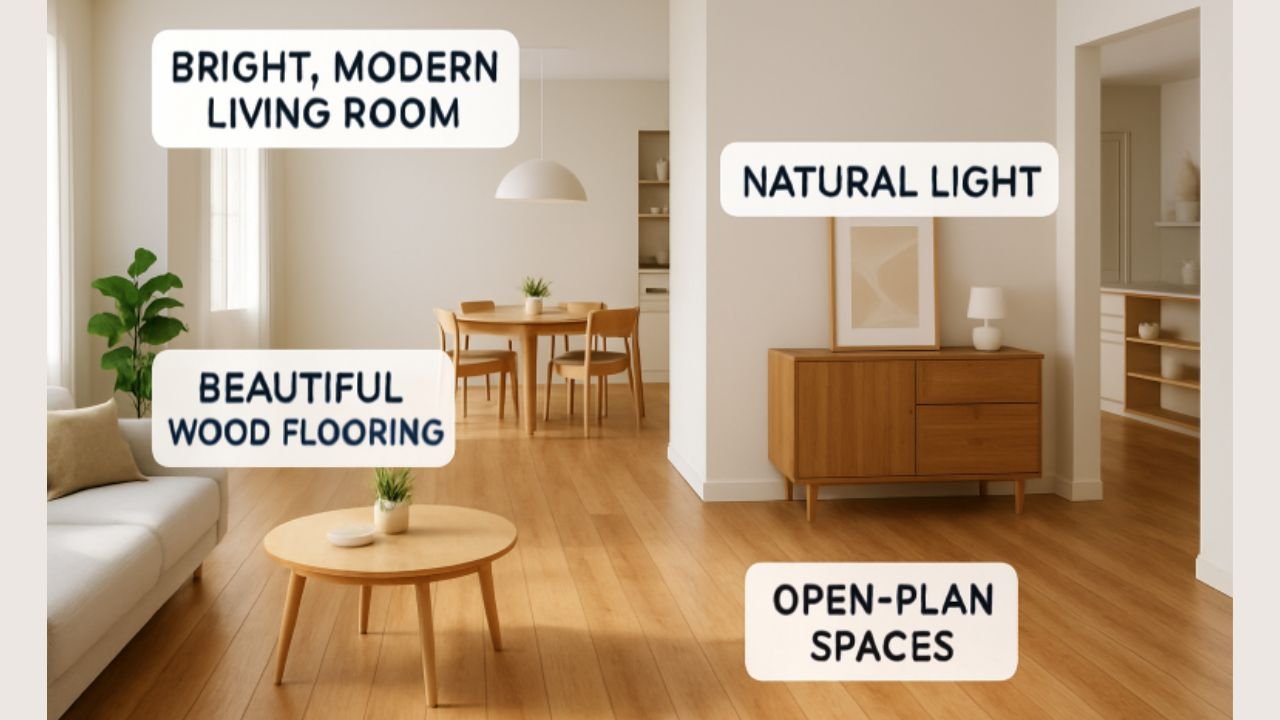
Wood flooring introduces a sense of refinement and coziness that enhances the overall ambiance of modern homes. Whether aiming for a minimalistic, Scandinavian, or transitional design, natural wood adapts effortlessly to different motifs. Its organic patterns and shades act as either a striking focal point or a harmonious backdrop, elevating the stylistic value of your space.
This versatility is especially valuable in open-plan homes, where continuity of material across living, dining, and kitchen areas fosters visual unity. The way wood flooring reflects both natural and artificial light can make rooms feel larger and more inviting, creating a lasting first impression and daily comfort.
Durability and Longevity
Few flooring options match the durability of natural wood. With meticulous installation and regular upkeep, hardwood floors can last a lifetime—or even longer. Unlike carpeting, which typically needs replacement every 10 years, wood flooring can be refinished several times to restore its original beauty, further extending its service life. This long-term value makes wood floors a preferred choice for homeowners intent on making a solid investment in their property.
Additionally, the structural strength of hardwood means it is less susceptible to daily wear and tear, dents, and scratches when compared to softer materials. This robustness ensures that families, pets, and high-traffic areas don’t compromise the elegance of your floors.
Improved Indoor Air Quality
Health-conscious homeowners appreciate that natural wood flooring helps improve indoor air quality. Unlike carpeting, which traps dust, pollen, and pet dander, hard surfaces do not harbor allergens or odors. This hypoallergenic quality is particularly beneficial for allergy sufferers or households with young children, contributing to a cleaner and healthier home environment.
Moreover, wood floors are easy to clean, requiring only simple sweeping or vacuuming to remove surface dust, making regular maintenance a breeze.
Environmental Sustainability
When responsibly sourced, wood flooring is one of the most sustainable building materials available. Trees are a renewable resource, and many manufacturers adhere to managed harvesting practices and forest stewardship certifications, ensuring ongoing replanting and the preservation of biodiversity. Furthermore, wood products act as carbon sinks, storing atmospheric carbon dioxide even after harvesting, which helps mitigate climate change.
Choosing certified or reclaimed wood also supports eco-friendly initiatives and contributes to the circular economy—another win for the environment.
Increased Home Value
Investing in natural wood flooring has been proven to increase a home’s market value. According to recent industry research, homes featuring hardwood floors often command higher selling prices compared to those with other types of flooring, with potential increases of up to 3.5% over the asking price. For a typical U.S. home, this can translate to substantial financial gains at sale. This boost in perceived value is fueled by the desirability of wood floors among prospective buyers, who recognize both the practicality and timeless appeal of quality hardwood.
Easy Maintenance
The straightforward care requirements of wood flooring make it especially attractive for busy households. Routine sweeping, vacuuming, and occasional damp mopping are generally all that is needed to keep floors looking pristine. Unlike carpets, which can stain or absorb odors, wood floors resist both, ensuring longevity and a perpetually fresh appearance. In addition, advances in finish technology mean that today’s wood floors are even more resistant to moisture and scratches, further reducing ongoing maintenance worries.
Versatility in Design
Natural wood flooring offers an impressive range of species, stains, plank widths, and finishes, enabling homeowners to personalize rooms to match any taste or theme. Whether you prefer the classic look of oak, the bold grain of hickory, or the rich tones of walnut, your flooring can be customized from the ground up. This diversity ensures your space stands out—while increasing the likelihood that your investment remains relevant as interior fashion trends evolve.
Final Thoughts
Natural wood flooring delivers a host of benefits essential for modern living—its inherent beauty, substantial durability, positive impact on air quality, and environmental advantages make it a highly practical and stylish choice. As more homeowners seek longevity, sustainability, and value from their flooring materials, natural wood continues to build its reputation as the ultimate foundation for sophisticated, healthy, and enduring homes.
You May Also Like: How Regular Roof Inspections Prevent Costly Repairs