




Standing out in crowded feeds
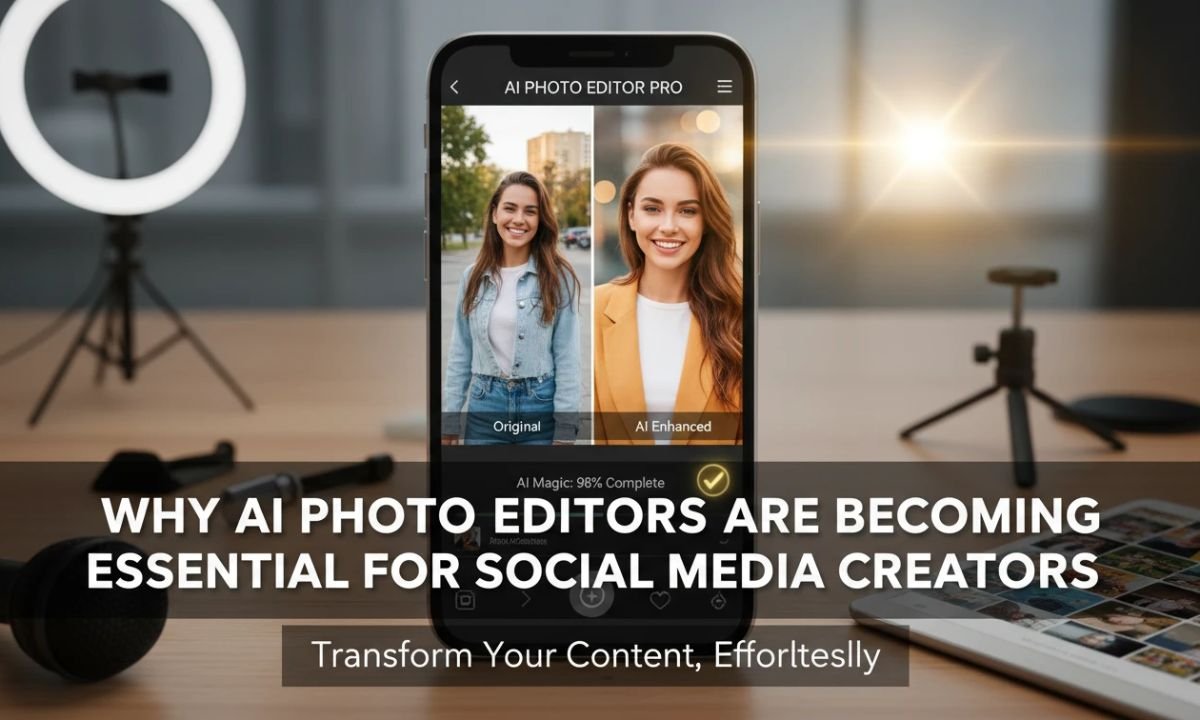
Open any social platform and you are competing with friends, brands, and viral trends in the same swipe. Viewers stop on images that are clear, well‑lit, and easy to understand at a glance, which puts a lot of pressure on creators who are shooting on the go. An AI Photo Editor helps close the gap between quick snapshots and polished visuals by handling the technical side of exposure, contrast, and color in a few clicks. Instead of spending thirty minutes fixing one shot, you can run a set of images through automatic enhancement and move straight to posting.
This matters even more when your content relies on consistent style. A creator who posts outfit photos, product reviews, or travel logs needs their grid to feel like one continuous story. AI‑powered presets and smart suggestions make it easier to keep skin tones natural, brand colors accurate, and overall mood recognizable. Followers might not know what changed, but they notice when your feed suddenly looks cleaner, calmer, and more intentional.
Saving time on repetitive edits
Most social content is built on repetition: similar angles, similar lighting, similar backgrounds. Manually adjusting each file eats up hours that could be spent scripting videos, talking to followers, or negotiating brand deals. AI tools shine here because they remember your typical adjustments and apply them in batches. You can edit one reference photo, then let the system carry that look across an entire carousel or a week’s worth of posts.
Common chores become quick steps. Background removal turns messy bedroom photos into clean compositions that focus on the outfit or product. Automated cleanup can erase stray cables, bins, and logos that distract from your subject. If a clip or screenshot is slightly blurry, clarity and upscaling features can sharpen important details so text and faces stay readable on small phone screens. The net effect is fewer excuses to delay posting—your workflow becomes “shoot, drop into the editor, approve, publish”.
Fixing imperfect shots instead of reshooting
Social media rarely gives you perfect shooting conditions. You might film in low light, snap a selfie between meetings, or grab a still from a vertical video that was never meant to be a photo. Traditionally, many of those files would go unused because fixing them manually took too long. AI changes that by offering targeted tools for low‑quality images: denoising for grainy night shots, smart sharpening for soft frames, and color correction for mixed lighting.
Micro‑scenarios show how helpful this can be. A food creator realizes the hero dish looks slightly dull after everyone has already eaten; AI‑enhanced contrast and selective saturation bring back the richness of the sauce and the shine on cutlery. A fitness coach wants a banner image from a mid‑movement frame, but motion blur makes their face soft; an enhancement pass recovers enough detail to make the image usable across stories and thumbnails. Instead of rescheduling shoots, they salvage what they already have.
Powering creative experimentation and brand identity
Beyond fixing problems, AI tools encourage creators to play. Generative features can build simple backgrounds, textures, or decorative elements that match your brand palette, giving you new ways to frame existing photos. You might keep the same product shot in the center and swap out several AI‑generated scenes around it: minimalist, colorful, moody, seasonal. Testing which one resonates most with your audience becomes cheap and quick, rather than a full new shoot each time.
Over time, this experimentation shapes a distinctive visual language. You notice which lighting moods drive more saves, which background styles feel “on brand”, and which color combinations get shared the most. Because AI handles much of the heavy lifting, even solo creators can maintain a rich visual presence across multiple platforms—feed posts, shorts, banners, and thumbnails—without burning out on editing. In that sense, modern photo editing is less about perfect technique and more about having the right AI assistant in your browser, ready to turn everyday moments into visuals that people actually stop to look at.
READ ALSO: How AI is Transforming Digital Content Creation: The Future of Visual Media