




Picture this: a brilliant, flamboyant sea slug nibbles on a toxic anemone, unfazed by its stinging cells. Instead of getting hurt, it does something astonishing. It steals the anemone’s venom, stores it in its own frilly appendages, and uses it as a personal defense system. This isn’t science fiction; it’s a real, widespread phenomenon in nature called kleptotoxicity. And it turns the old adage “you are what you eat” into a survival superpower. What if your diet didn’t just fuel you, but armed you? In the wild, for many species, it absolutely does. Let’s dive in.
What is Kleptotoxicity? The Art of Biochemical Theft
Let’s break it down simply. Kleptotoxicity is a form of chemical defense where an organism sequesters toxins or venoms from its diet and repurposes them for its own protection. The term comes from “klepto” (to steal) and “toxicity.” Unlike animals that produce their own venom internally (like snakes or spiders), “kleptotoxic” species are biochemical thieves, raiding nature’s pantry for their weapons.
This strategy is a brilliant evolutionary hack. Why spend the immense metabolic energy to manufacture complex toxins from scratch when you can outsource the job to your lunch? It’s a prime example of nature’s efficiency.
The Future of Chemical Ecology: Lessons from Kleptotoxic Species
The study of kleptotoxicity is more than a biological curiosity; it’s reshaping how we understand predator-prey relationships and ecosystem dynamics. It shows that defense in nature can be a mobile, borrowed asset, flowing through food webs in unexpected ways. This has huge implications for fields like pharmacology and conservation.
Top 3 Kleptotoxicity Champions in the Wild
Here’s where the story gets truly captivating. These aren’t obscure critters; some are poster children for this phenomenon.
- The Sea Slug (Nudibranch): Our introductory star. Species like the Glaucus atlanticus (the blue dragon) feed on venomous Portuguese man o’ war. They store the stolen stinging cells (nematocysts) in their finger-like cerata, making them dangerously toxic to touch.
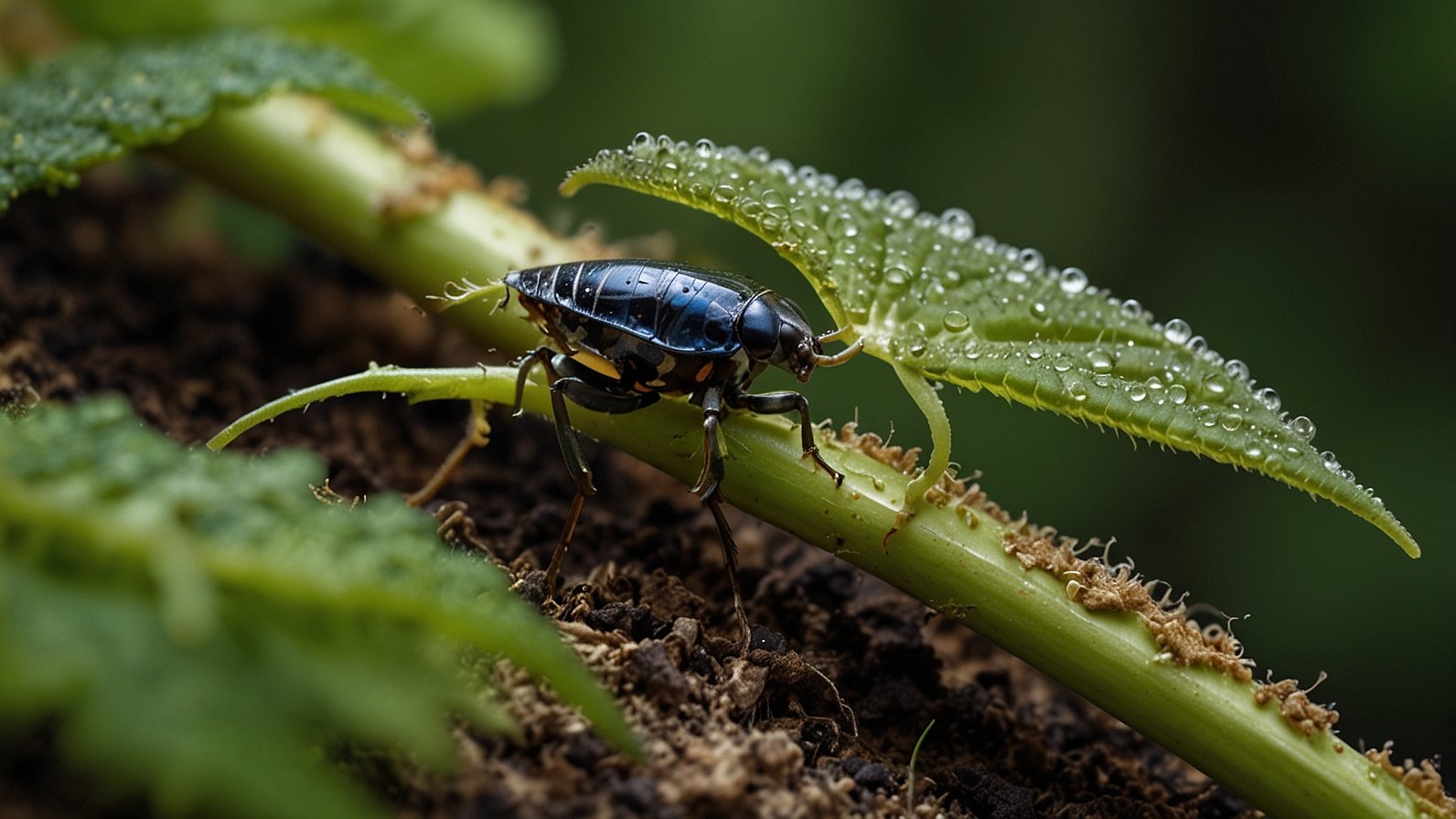
- The Poison Dart Frog: The iconic example! Frogs in the family Dendrobatidae, found in Central and South America, get their skin alkaloids from their diet of ants, mites, and beetles. Captive-bred frogs, fed a different diet, are completely harmless. It’s a perfect case of kleptotoxicity.
- The Hedgehog: Believe it or not, our spiky friend has a kleptotoxic trick. The African crested hedgehog (Atelerix albiventris) is known to chew on the skin of toxic toads, then lather the toxin-laced saliva onto its own spines, creating a formidable, borrowed defense.
How Kleptotoxicity Works: A Simple Breakdown
Think of it as a three-step kitchen raid:
- Consume: The animal eats a toxic or venomous prey item.
- Process: Its digestive and physiological systems are specially adapted to avoid being harmed by the toxin. Instead of breaking it down, they isolate and modify it (or sometimes don’t modify it at all).
- Deploy: The stolen chemicals are transported and stored in specific body parts—skin, spines, feathers—ready to deter the animal’s own predators.
This process highlights a crucial point: kleptotoxicity is a beneficial, diet-derived chemical defense. It’s a legitimate survival strategy, not a fluke.
Busting Common Myths About Kleptotoxicity
- Myth: “It’s the same as producing your own venom.”
Truth: It’s fundamentally different. Venom production is genetically encoded and internally synthesized. Kleptotoxicity is acquired, external, and diet-dependent. - Myth: “Any animal that eats something poisonous becomes toxic.”
Truth: Not at all. Most animals would be sickened or killed. Kleptotoxic species have evolved specific, often complex, physiological adaptations to pull off this theft safely. - Myth: “It’s a rare, oddball behavior.”
Truth: It’s more common than we once thought, documented in insects, amphibians, reptiles, and mammals. We’re discovering new examples as research continues.
Actionable Takeaways: What Can We Learn?
So, what does this mean for you, the curious reader? While we humans aren’t about to start stealing venom from our dinners, the concept of kleptotoxicity offers powerful metaphors and insights:
- Innovation Through Integration: Nature teaches us that sometimes the best solution isn’t to build from scratch, but to intelligently repurpose what already works. It’s a lesson in sustainable innovation.
- Interconnectedness: It vividly illustrates how deeply connected life is. A toxin produced by a plant can defend an insect that eats it, which then defends a frog that eats the insect.
- A New Lens for Discovery: For scientists, studying these systems can reveal novel compounds with medical potential, inspired by millions of years of evolutionary “testing.”
What to explore next? Look up videos of nudibranchs or read about the groundbreaking research on poison dart frog diets. The natural world is full of stories where the line between predator, prey, and pharmacy beautifully blurs.
What’s the most fascinating example of borrowed traits you’ve seen in nature?
You May Also Like: Frost-Friendly Flora: Top Plants That Thrive in Cold Climates
FAQs
How do you pronounce “kleptotoxicity”?
It’s pronounced klep-toh-tox-ISS-ih-tee.
Is this the same as “kleptopredation”?
They’re related but distinct. Kleptopredation is stealing food another predator has killed. Kleptotoxicity is specifically about stealing chemical defenses.
Can a kleptotoxic animal run out of toxins?
Yes! If it changes its diet or goes without the toxic prey source for long enough, its defensive toxicity can diminish or disappear.
Are there any risks to the animal using kleptotoxicity?
The main risk is dependency. If the toxic food source becomes scarce, the animal loses its primary defense strategy.
Do humans use anything like kleptotoxicity?
Not biologically, but the concept mirrors how we use knowledge or technology developed by others, integrating it into our own systems for protection or advancement.
What’s the difference between kleptotoxicity and aposematism?
Aposematism is the warning coloration (like bright colors) that signals “I’m toxic.” Kleptotoxicity is how the animal often gets that toxicity. They frequently go hand-in-hand.
Could this research lead to new medicines?
Absolutely. Understanding how these animals safely isolate and store potent compounds can provide blueprints for novel drug delivery systems or new therapeutic molecules.