




Key Takeaways
- Regular inspections help catch minor issues before they cause major damage.
- Both inside and outside your home, certain signs can alert you to potential developing roof problems.
- Timely repairs save money and protect your family’s safety and comfort.
Maintaining a healthy roof is one of the most important steps a homeowner can take to protect their property from the elements. By regularly identifying the warning signs of roof damage, you can address problems before they escalate into costly repairs. Whether you’re in a region with unpredictable weather or want to prolong your roof’s life, learning how to spot these issues is essential. For residents unsure where to turn for professional support, consider a trusted partner like Colorado roofing company to ensure your roof receives expert care when needed.
Neglecting early indicators of roof wear can not only affect your home’s structural integrity but also lead to secondary problems that may impact your comfort and wallet. With basic knowledge and regular home inspections, you can respond promptly and prevent minor concerns from growing into significant issues. Read on for the most common interior and exterior warning signs, along with practical steps you can take today.
Interior Signs of Roof Damage
Some of the most telling warnings of roof issues start within your home. Pay close attention to:
Water Stains on Ceilings and Walls
Dark or discolored patches, often yellowish-brown, on ceilings or upper walls are a clear indicator of water intrusion. These stains indicate a potential leak that may worsen over time, especially during periods of rain or snow. If you notice new stains, take immediate action to prevent further damage to insulation, drywall, and personal belongings.
Mold or Mildew Growth
An unexplained musty odor or the presence of visible mold patches typically indicates that moisture is seeping into your attic or upper rooms. This can affect indoor air quality and, in severe cases, endanger your family’s health and the strength of your home’s wood framing.
Peeling Paint or Wallpaper
When water seeps into your walls, it often causes paint or wallpaper near the ceiling to bubble or peel away. Persistent moisture from a leaking roof can accelerate deterioration in these areas, pointing to the need for both a roof inspection and interior repairs.
Exterior Signs of Roof Damage
A careful eye for changes on the outside of your home is just as important. Conduct regular inspections—especially after storms—to spot:
Missing or Damaged Shingles
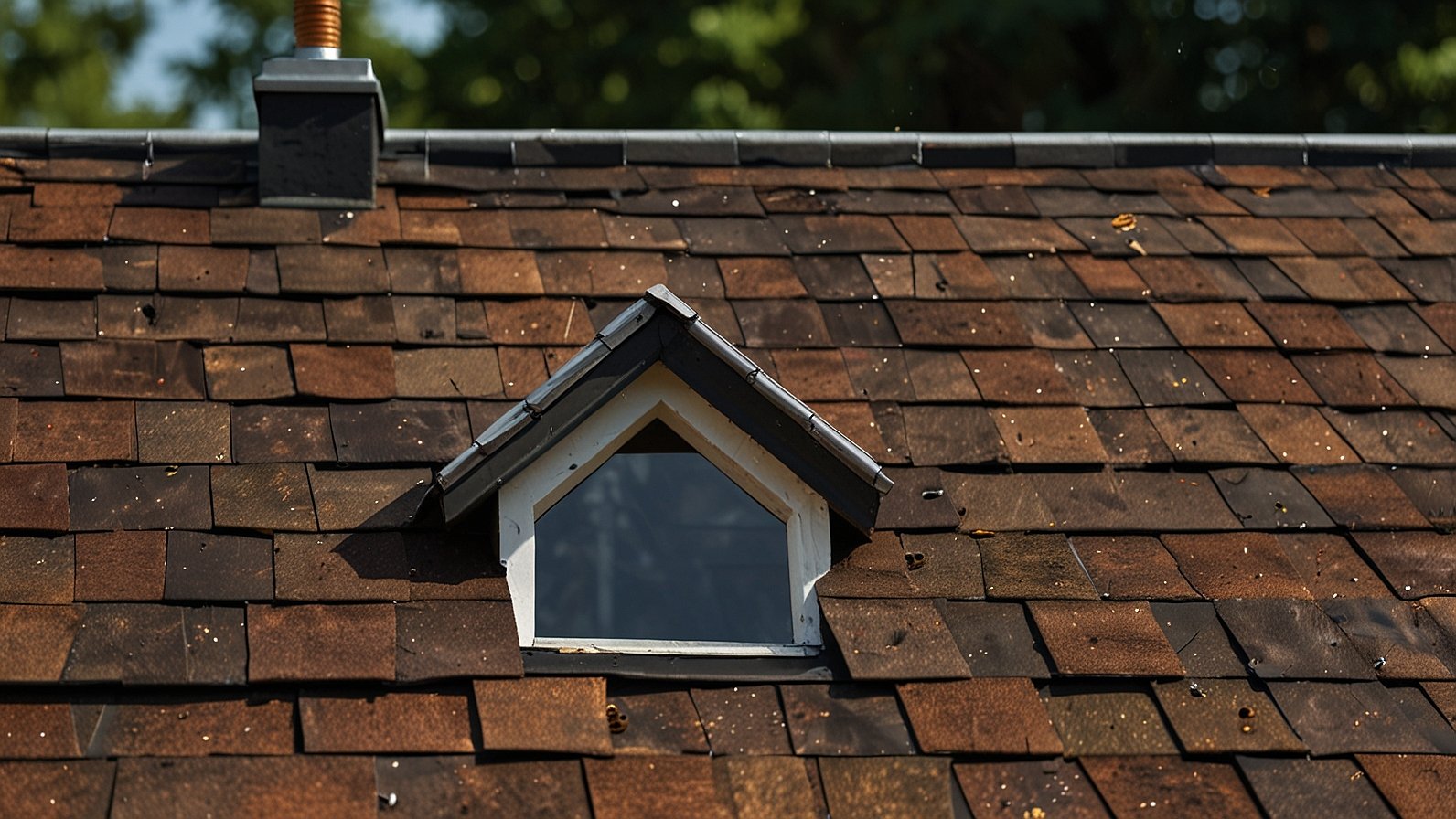
Cracked, curled, or missing shingles leave your roof vulnerable to water infiltration. Wind, hail, or age-related wear can all contribute to this visible damage. It’s essential to replace damaged shingles promptly to prevent further complications.
Granules in Gutters
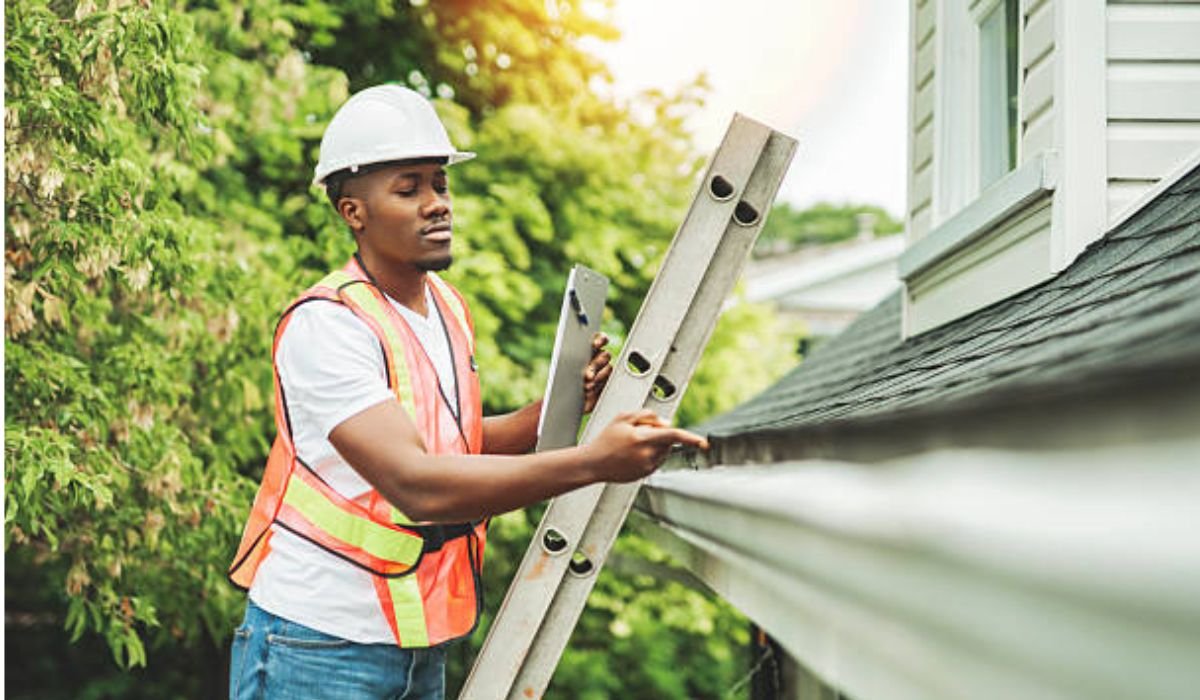
If you find gritty, sand-like granules in your gutters or at the base of downspouts, your asphalt shingles may be deteriorating. This process reduces your roof’s ability to shield your home from the elements, signaling the need for evaluation and possible replacement.
Damaged Flashing
Flashing lines vulnerable joints such as chimneys, skylights, and vent pipes. If you spot rust, cracks, or gaps in these areas, water can seep into your home’s structure. Damaged flashing should be repaired right away to prevent leaks from spreading.
Sagging Roof Deck
Noticeable dips or soft spots when walking on the roof typically mean long-term water damage or poor structural support. This is a serious issue and should be assessed by professionals as soon as possible.
Additional Warning Signs
Beyond the more obvious issues, other warning signs should not be ignored. A sudden increase in energy bills may indicate that your roof is no longer insulating your home effectively. Sunlight streaming through the roof boards in the attic is another clear signal that gaps or holes need urgent repair. Additionally, clogged or overflowing gutters can redirect water onto your roof and siding, potentially causing rot and mold if left unchecked.
When to Seek Professional Help
While handy homeowners can manage minor maintenance, some situations require the expertise of a professional roofing contractor. These include widespread or complex roof damage, sagging or structurally compromised decking, and persistent leaks that resist DIY solutions. Consulting an expert ensures a thorough assessment of your roof’s condition and helps determine the most effective approach for repairs or replacement, protecting both your home and your investment.
Preventive Measures
You can reduce long-term roof damage by incorporating a few key practices into your home care routine. Conduct roof inspections at least twice a year and after major weather events to catch problems early. Keep gutters clear to prevent water backup and potential damage, and trim overhanging or dead tree branches to avoid punctures or accumulation of debris. Regular attention to these steps helps protect your roof and extend its lifespan.
Conclusion
Being proactive about your roof’s condition is the key to preventing costly repairs and safeguarding your home. By recognizing interior and exterior warning signs, staying vigilant with routine inspections, and seeking professional help when necessary, homeowners can address issues before they escalate. Simple preventive measures, combined with timely action, not only extend the life of your roof but also protect your family’s comfort and your property’s value. Taking these steps ensures peace of mind and a strong, reliable shelter over your head.
You May Also Like: Benefits of Natural Wood Flooring in Modern Homes