




Table of Contents
- Regular Maintenance and Inspections
- Installing Safety Devices
- Creating an Emergency Plan
- Landscaping for Fire Prevention
- Understanding Insurance Coverage
- Conclusion
Key Takeaways
- Regular maintenance and inspections are critical to uncovering trouble spots before they escalate.
- Investing in safety devices and protocols offers timely alerts and lessens the impact of disasters.
- Emergency planning and up-to-date insurance help families respond quickly and recover fully.
Protecting your home from water and fire damage isn’t just an investment in your property’s value—it’s a commitment to your family’s safety and security. Homes are constantly susceptible to unforeseen events, but with smart preparation and practical steps, you can dramatically lower the risks. From routine maintenance to emergency planning, these strategies help ensure your family and belongings stay out of harm’s way. If your home is ever affected by floods, leaks, or fire, working with a professional property damage restoration service in Pineville can make all the difference in a quick, thorough recovery.
Prevention is always preferable to repair, yet many homeowners underestimate the value of regular inspections, safety devices, and knowing exactly how to act when disaster strikes. Even a minor oversight—like a clogged gutter or unchecked smoke alarm—can spell costly trouble down the line. By embracing a proactive approach to home maintenance and emergency planning, you ensure your living environment is ready for anything nature or accident may throw its way.
Regular Maintenance and Inspections
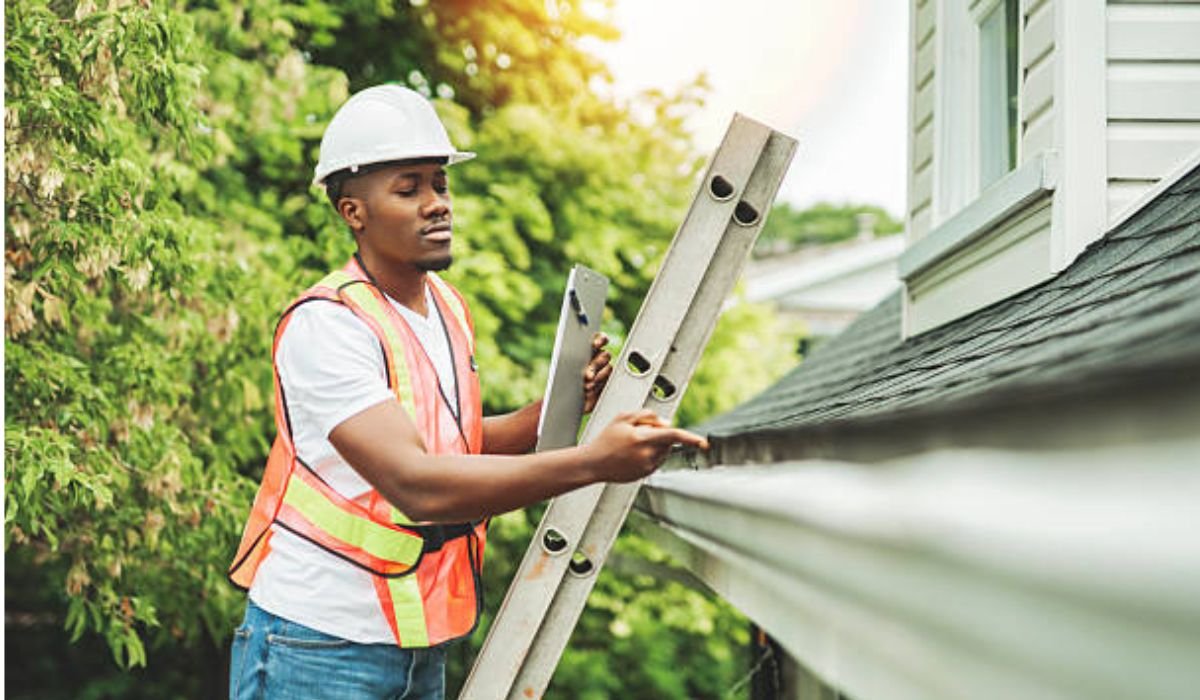
Vigilance in maintenance is your home’s first defense against costly water and fire damage. Conducting thorough checks on a schedule helps you spot tiny problems before they escalate into emergencies. This includes being aware of potential hazards, such as asbestos, and ensuring professional asbestos removal is carried out when needed to keep your home safe. Regular upkeep, combined with addressing hidden risks, protects both your property and your family.
- Plumbing inspections: Frequently examine pipes, inspect joints under sinks, and keep a look out for minor drips or condensation—which could signal brewing leaks.
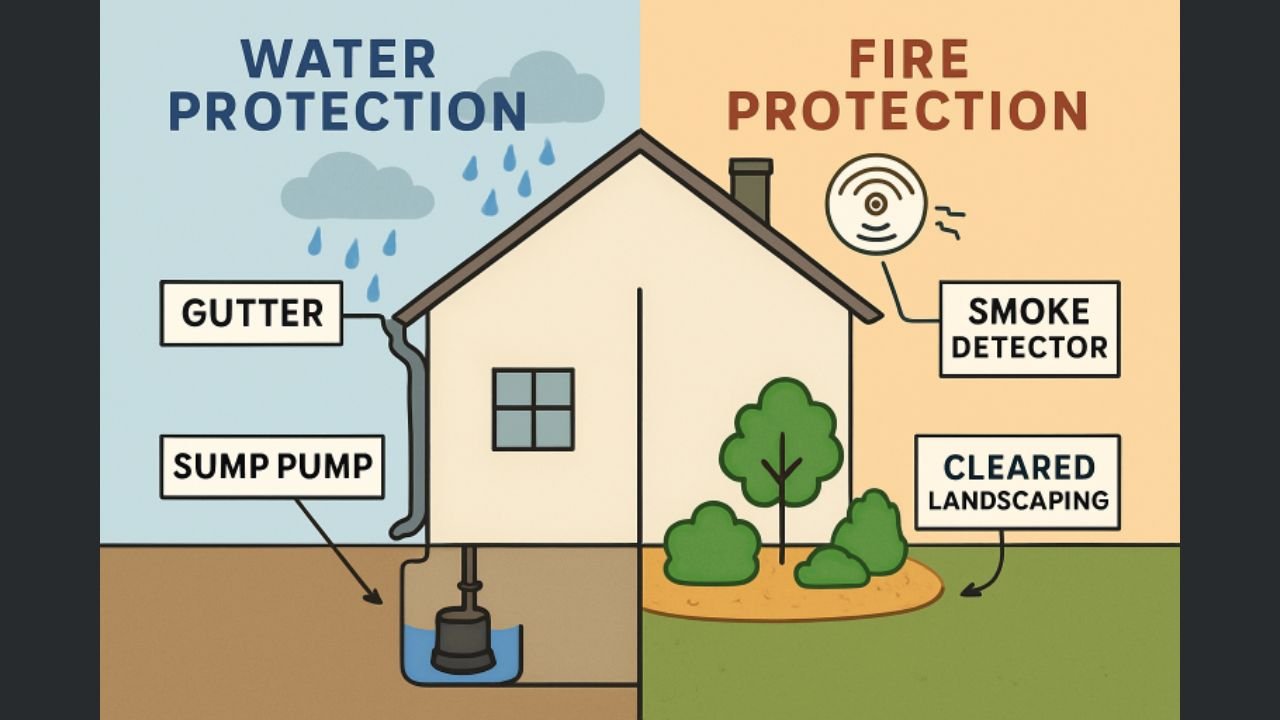
- Gutters and downspouts: Clean them at least twice a year. When blocked, they can channel water into your foundation and basement, undermining your home’s stability.
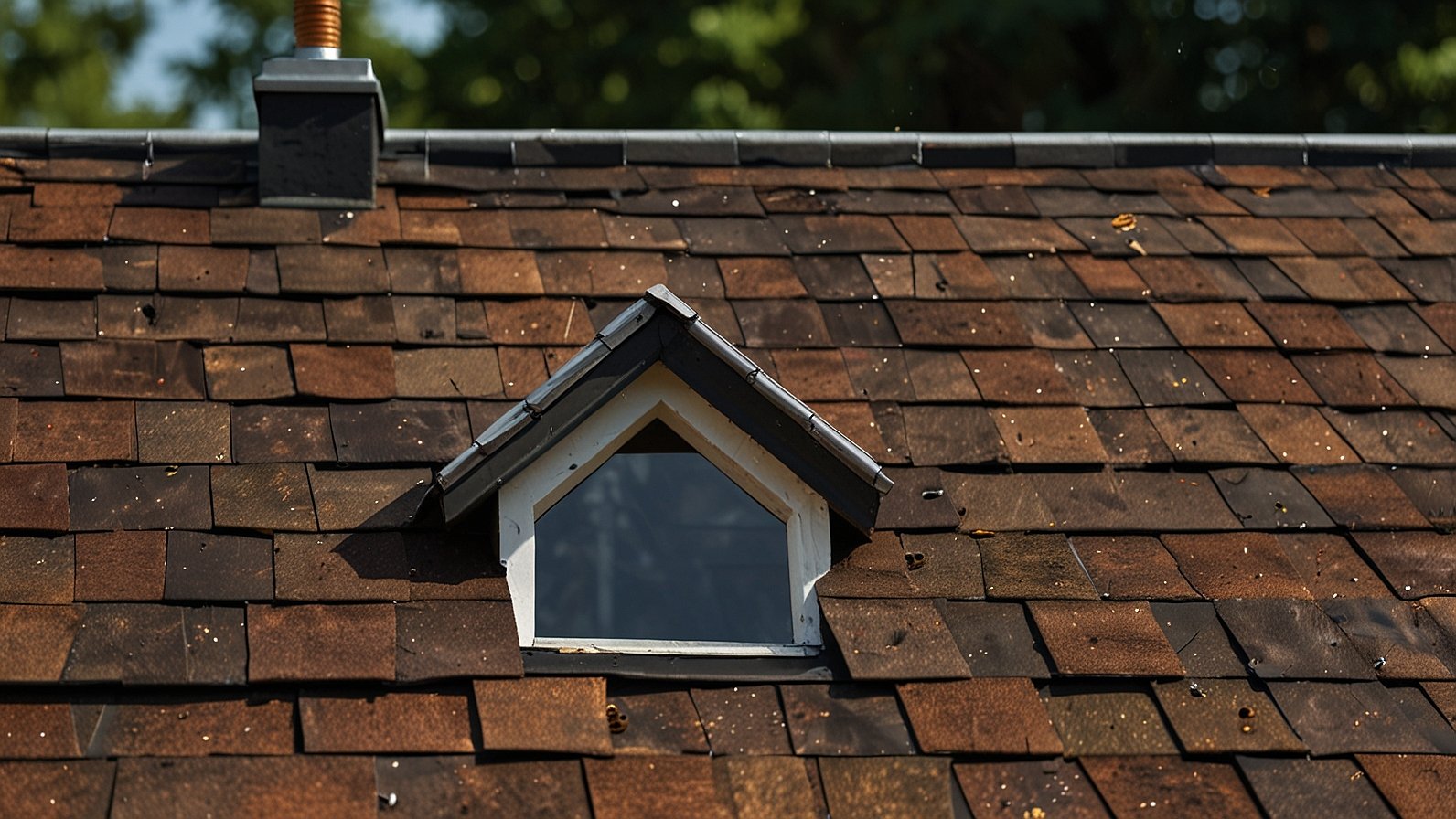
- Roof check-ups: Annually examine for cracked, missing, or curling shingles. Catching roof problems early prevents water intrusion and mold growth, both of which can undermine your home’s structure and indoor air quality.
Installing Safety Devices
Advanced warning and protective equipment form the backbone of a resilient home. Integrating safety devices not only protects your loved ones but also limits property loss and maximizes recovery efficiency.
- Smoke and carbon monoxide detectors: Install these on every floor, and near every bedroom and kitchen. Test every device monthly and replace batteries annually.
- Fire extinguishers: Mount extinguishers in the kitchen, near the garage, and in hallways. Make sure all family members know their locations and how to operate them.
- Sump pumps: Particularly useful in homes with basements or in flood zones, sump pumps reduce water accumulation. Routine monthly testing ensures it’s ready for action when rainstorms hit.
Creating an Emergency Plan
A well-communicated emergency plan saves lives and preserves what matters most. Preparation turns panic into a proactive response during critical situations.
- Wildfire and disaster action plan: Draw up a simple, written plan that identifies all exit routes, family meeting points, and emergency contacts, including plans for pets and anyone who needs medical assistance. For guidance on preparing for wildfire emergencies and ensuring your plan addresses key safety considerations, refer to OSHA.
- Emergency supply kits: Each household should assemble a “go bag” filled with food, water, vital documents, cash, medications, and N95 masks. Store bags in an easily accessible location and conduct practice drills every six months.
- Stay connected: Register for local, state, and federal emergency alerts so you never miss vital instructions or evacuation orders.
Landscaping for Fire Prevention
Smart landscaping is a powerful yet often overlooked element of fire safety. The right choices dramatically lower the odds of flames reaching your house, especially in wildfire-prone areas.
- Defensible space: Maintain a 30-foot barrier free of brush, dry grass, or firewood piles around your home to block fire advancement.
- Fire-resistant plantings: Opt for native species with low resin and sap content and high moisture, such as succulents, redbud, and lilac, which are harder to ignite.
- Debris management: Routinely clear gutters, roof, and yard from dry leaves, pine needles, and branches that act as fuel for flames.
Understanding Insurance Coverage
Knowing your insurance policy’s strengths and limits ensures you aren’t left in the lurch after a disaster. It’s always wise to clarify coverage details before disaster strikes.
- Policy exclusions: Home insurance policies typically exclude damage from floods and some natural disasters, so supplement your policy as needed to avoid costly surprises.
- Home inventory: Maintain an up-to-date digital list of valuables, receipts, and photos to facilitate a smooth recovery when filing a claim.
- Policy reviews: Schedule annual insurance reviews, especially after major upgrades or purchases, to keep coverage relevant and comprehensive.
Conclusion
Safeguarding your home from water and fire damage involves a holistic, ongoing process of inspections, equipment investment, emergency readiness, intentional landscaping, and realistic insurance awareness. When these measures are in place, you gain not just peace of mind but also the resilience to recover more quickly and thoroughly when the unexpected occurs. By acting now, you protect not only your property but the well-being of everyone under your roof.
You May Also Like: Choosing Your Builder: NC’s Best Home Builders, Rated and Reviewed