




Key Takeaways
- Smart HVAC systems can significantly enhance indoor air quality by leveraging real-time monitoring and dynamic control to address air quality issues as they arise.
- High-efficiency air filters, such as HEPA or high-MERV-rated filters, remove more contaminants from the air than standard filters, leading to a healthier environment.
- Supplemental air purifiers and ventilation controls further optimize indoor air safety, mainly when used alongside effective HVAC systems.
- Routine maintenance and regular upgrades are essential for ensuring maximum system performance and preventing future air quality issues.
Optimal indoor air quality (IAQ) is crucial not only for personal comfort but also for long-term health and productivity. Poor IAQ can lead to a variety of health issues ranging from mild discomfort, such as headaches and fatigue, to more serious problems like asthma and respiratory infections. Airborne irritants, allergens, and a wide range of pollutants can all circulate indoors, especially in urban and high-traffic areas where outside air may be compromised as well. Many homes and offices are sealed tightly for energy efficiency, and while this helps control temperature, it can also trap airborne contaminants. With advances in HVAC technology, maintaining a healthier, cleaner indoor environment is now within reach for homeowners, facility managers, and businesses alike. Whether you’re looking to upgrade your existing system or simply want to breathe easier, learning how HVAC Company in Denver professionals use advanced solutions can make a significant difference throughout the year.
Investing in smart HVAC systems ensures your home’s or workplace’s ventilation is always at its best, automatically adjusting to current air conditions without constant human intervention. By leveraging cutting-edge sensors, real-time data analysis, and intelligent controls, you can effectively reduce indoor contaminants such as dust, pollen, mold spores, bacteria, and even certain viruses, making your living or working space safer for everyone. These modern systems can also help people with allergies or chronic respiratory conditions experience fewer symptoms. As more people prioritize wellness both at home and in the office, these next-generation solutions are quickly becoming the new standard for anyone seeking high-quality indoor living.
Understanding Smart HVAC Systems
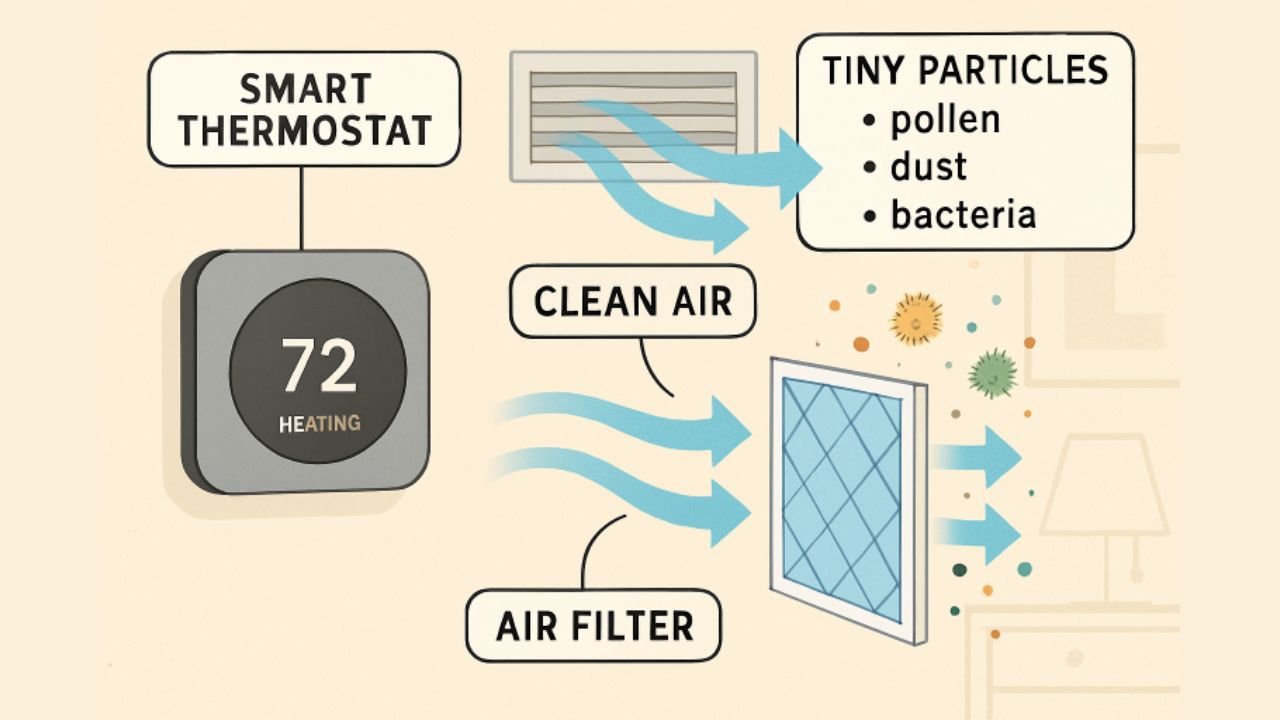
Unlike traditional units that merely cycle air on or off based on temperature, innovative HVAC systems offer a holistic approach to air management. These systems go far beyond simple temperature regulation and cooling or heating cycles. Equipped with networked sensors and sophisticated software-driven controls, they continuously analyze data on occupancy, humidity, outdoor air quality, and pollutant levels. This allows the system to automatically adjust airflow, temperature, and filtration levels throughout the day, optimizing performance without manual intervention. Homeowners and facility managers can view and control these settings through mobile apps and smart thermostats, ensuring ideal, customized environmental conditions in every room, at any time, regardless of physical location. These innovative systems can also generate reports, send maintenance reminders, and diagnose problems remotely, adding an extra layer of convenience and reliability.
Implementing Air Purification Add-Ons
Modern HVAC systems can be further enhanced with add-on air purification technologies that address concerns not always addressed by filtration alone. Two popular options include:
- Electrostatic Air Cleaners: These innovative devices use electrically charged plates to attract and trap particulates from the airstream. By removing contaminants such as pollen, pet dander, and even fine smoke particles, they offer an extra layer of protection—especially valuable in households with pets or allergy sufferers.
- Ionizer Systems: Unlike filters that rely on airflow, these systems release a safe stream of negative ions that attach to airborne pollutants. The ions cause small irritant particles to clump together, making them much larger and heavier. Hence, they either naturally fall out of the breathing zone or are easily captured by the HVAC filter during the next air cycle.
These purification options work alongside smart HVAC system settings to multiply overall contaminant removal, providing a comprehensive solution for those seeking the safest, most breathable indoor air possible.
Maintaining Proper Ventilation
Adequate ventilation is key to healthy indoor spaces, as it exchanges stale indoor air with fresh, filtered outdoor air. Smart ventilation systems take this a step further by integrating occupancy and pollution sensors. These sensors can actively modulate the exchange rate based on room occupancy, current air pollution levels, and even outdoor air quality, thereby maximizing comfort and efficiency while saving energy. Maintaining proper ventilation is a core component for controlling indoor air quality in both homes and workplaces. According to the CDC, improving ventilation in your home, such as opening windows or using air filtration, can help reduce the risk of airborne illnesses and maintain healthier indoor air. Warm, humid environments or high-traffic locations can accumulate pollutants more quickly, making an innovative, responsive ventilation system especially useful. These systems are increasingly used not just for comfort but also as a frontline defense in health-focused building renovations.
Monitoring Indoor Air Quality in Real-Time
Continuous IAQ monitoring is a hallmark of ingenious HVAC systems. Invest in connected sensors that track essential metrics, including volatile organic compounds (VOCs), carbon dioxide (CO2), airborne particulate matter, temperature, and humidity. According to News-Medical, maintaining optimal indoor air quality is critical for both health and productivity, making real-time monitoring more important than ever. When these sensors detect a spike in any contaminant, be it a high pollen count, off-gassing from new furniture, or an increase in CO2 from a crowded room, the HVAC system receives an immediate alert to automatically increase ventilation, initiate air purification cycles, or even send notifications to occupants’ smartphones. This real-time feedback lets you take prompt action, whether that means opening a window, adjusting settings, or simply being aware of changing conditions. Modern digital platforms support comprehensive tracking of indoor air quality metrics through intuitive, easy-to-use smartphone apps or cloud dashboards, supporting proactive management and providing valuable peace of mind.
Regular Maintenance: The Foundation of System Performance
No amount of state-of-the-art technology can fully overcome neglect. To get the most from your smart HVAC system and to protect your IAQ investment for years to come, it’s vital to maintain a regular upkeep schedule:
- Change or clean all HVAC filters every 1-3 months, or more frequently if you have pets, allergies, or live in a dusty environment, as recommended by your manufacturer.
- Schedule seasonal inspections with certified HVAC professionals to check for issues like refrigerant leaks, clogs, mold growth, or failing mechanical components that could compromise air quality.
- Ensure all connected sensors, controls, and smart devices are calibrated and fully operational to avoid inaccurate readings or system malfunctions.
- Periodically clean air ducts, grilles, and ventilation pathways to prevent the unseen buildup of dust, allergens, and microbial growth, especially in older buildings.
Consistent maintenance not only extends the lifespan of your HVAC equipment and reduces repair costs, but also ensures that your air quality interventions work as intended, day in and day out.
Conclusion
Improving indoor air quality is more than just a comfort upgrade—it is a proactive process that significantly benefits the overall well-being of everyone who spends time indoors. Smart HVAC solutions, with their advanced filtration, integrated air purification devices, intelligent ventilation, real-time monitoring systems, and reliable maintenance procedures, can transform how you experience and manage your indoor environment. By embracing these modern options and best practices, you can ensure your home, office, or business remains an oasis of clean, fresh air—whatever challenges the outside world may bring—giving you and those you care about a healthier, safer life indoors.
You May Also Like: Atlantic Business Brokers’ Guide to Selling Your Trade Business