




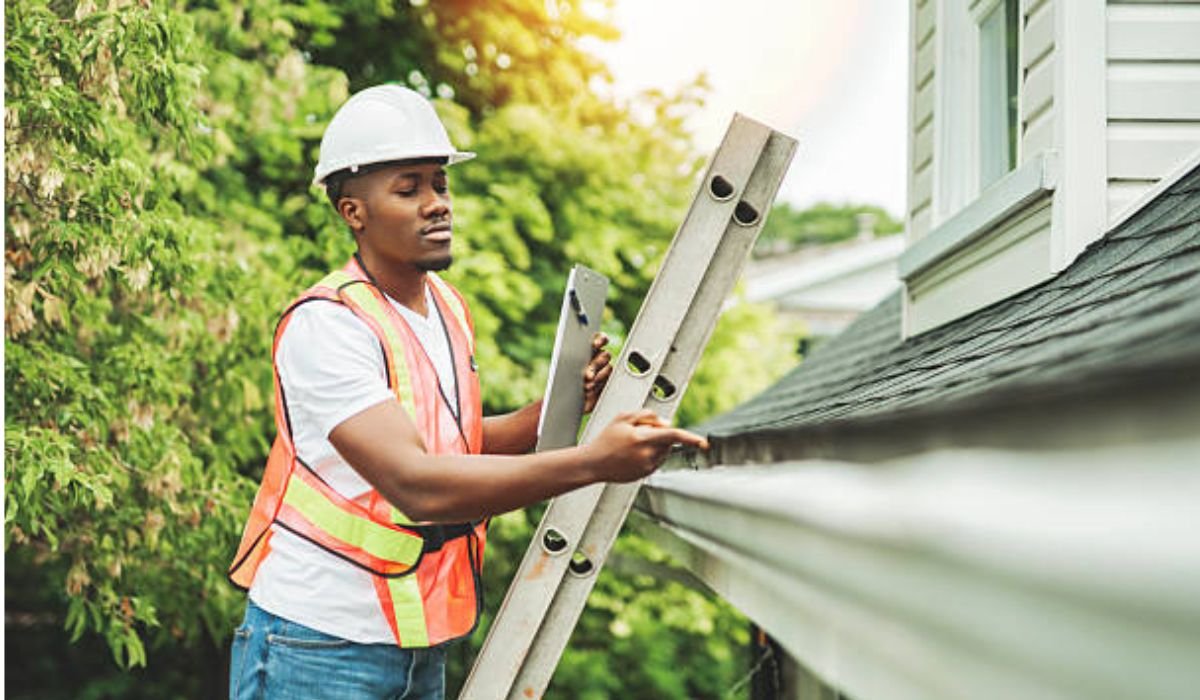
Your roof stands as your home’s primary shield against the relentless challenges of unpredictable weather, temperature fluctuations, and the natural aging process of materials. Despite being one of the most essential components of your property, it is often overlooked until obvious problems arise. To truly safeguard your investment and avoid the stress and financial burden of sudden major repairs, it’s vital to make regular inspections part of your home maintenance plan. Whether you’ve just moved into a newly constructed house or have spent years creating memories under the same roof, adopting a proactive approach by arranging routine roof inspection St Charles, MO, allows you to identify and address minor issues before they escalate into significant damage.
The advantages of these inspections extend well beyond immediate savings—they provide invaluable peace of mind and guarantee that your roof remains in peak condition through all seasons. Small leaks, loose shingles, or early signs of water intrusion can often go unnoticed to the untrained eye. By catching them early with a professional assessment, homeowners not only save substantial amounts on future repairs but also ensure a safe, comfortable living space for their families. Proactive roof care helps to avoid the hassle of emergency fixes and minimizes the disruption that can come with invasive repair work. Early maintenance keeps your home dry, protected, and more resilient over time.
Early Detection of Issues
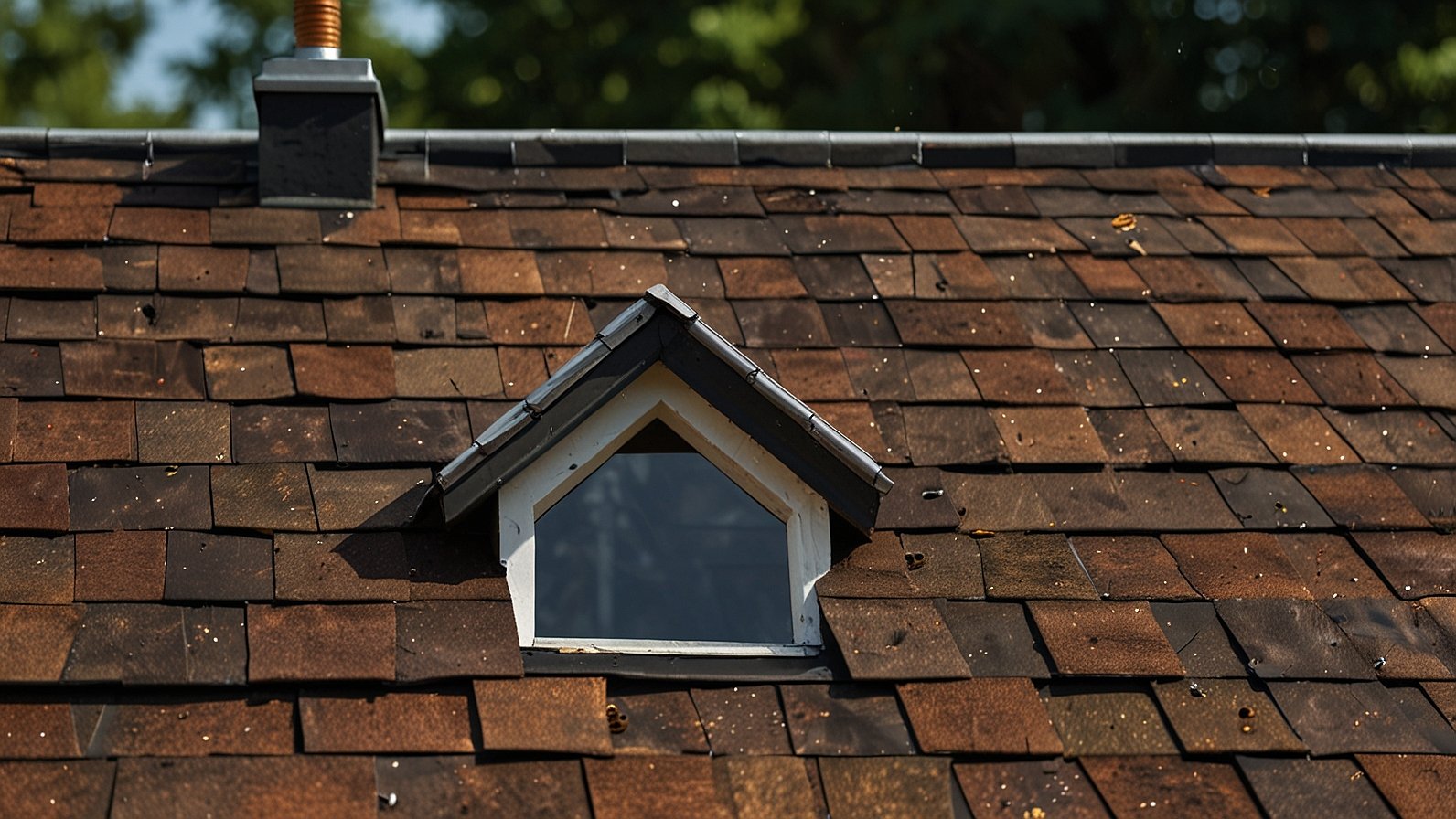
One of the most significant benefits afforded by routine roof inspections is the early detection of developing issues that are not always visible from ground level. Problems such as cracked shingles, loosened flashing, granule loss, and small punctures can rapidly evolve into critical threats if overlooked. Seasonal changes, falling debris, and storms can all leave underlying damage that leads to more significant trouble down the line. Trained professionals possess the expertise to uncover these hidden vulnerabilities before they develop into costly headaches to resolve. According to the experts at Bob Vila, timely identification of roof problems spares homeowners not only thousands of dollars but also the headaches associated with mold intrusion, wood rot, or even sections of a roof collapsing.
By conducting scheduled inspections after significant weather events or at least annually, you dramatically reduce the risk that a minor defect will deteriorate unnoticed. Stopping a small leak early, for example, can prevent the destruction of insulation, wood, and drywall—areas that are far more expensive to replace once they have been significantly compromised. It’s far better to invest a little time and money each year than to gamble with the integrity of your entire home.
Extending Roof Lifespan
Routine inspections serve as a robust strategy for extending the life of your roof, one of your home’s most substantial investments. Through years of exposure to environmental stress—including harsh sunlight, gusty winds, heavy rainfall, and hail—roofing materials naturally degrade. However, preventive maintenance enables you to address minor damage before it worsens and leads to premature failure. Timely repairs identified during annual inspections, such as replacing broken tiles, resealing flashing, or addressing corrosion on metal roofs, go a long way in prolonging the roof’s service life.
Home maintenance specialists confirm that consistent care adds five to ten years of functionality to most residential roofs. This means the time between expensive roof replacements is significantly lengthened. Not only does regular attention protect your wallet, but it also promotes sustainability by reducing landfill waste from old roofing materials. For property owners, this level of routine care provides confidence that their roof will withstand storms and the passage of time.
READ ALSO: How Long Does a Roof Last? Lifespan by Material
Preventing Internal Damage
A compromised roof has the potential to wreak havoc inside your home faster than many people realize. Even a minor breach can allow moisture and water to enter your attic and living spaces, where the threat can spread rapidly. Over time, damp insulation, stained or sagging ceilings, peeling paint, and the insidious spread of mold become increasingly likely as a result of undetected roof leaks. The ensuing damage can affect not only your home’s visual appeal but also its air quality and structural integrity, both of which are expensive to restore.
Regular inspections provide an opportunity to identify and address water issues at their source, often before they become visible indoors. By maintaining your roof, you are in effect protecting your entire house—including wiring, electronics, stored belongings, and cherished heirlooms. In the long run, this vigilance can mean the difference between straightforward minor repairs and large-scale renovations throughout your home’s interior.
Enhancing Energy Efficiency
Your roof plays a key role in determining your home’s overall energy performance. Any weaknesses—such as missing shingles, cracked tiles, or inadequate ventilation—can compromise insulation and allow conditioned air to leak out. When a roof isn’t properly sealed, cool air in the summer and warmth in the winter can escape, forcing your heating and cooling systems to work substantially harder. This inefficiency often leads to higher monthly utility bills and places unnecessary strain on your HVAC equipment, reducing its lifespan.
Regular roof inspections ensure that sealing, insulation, and ventilation measures are effective and continuous. Keeping your home’s “envelope” intact creates a barrier between indoor comfort and outdoor conditions, which helps families stay comfortable and save money throughout the year. To learn more about how a well-maintained property reduces energy costs and contributes to overall efficiency, refer to guidance provided by the U.S. Department of Energy. Maintaining a healthy roof is a smart move for both your wallet and the environment.
Compliance with Insurance Requirements
Home insurance is designed to protect you financially in the event of unexpected catastrophes, but coverage usually comes with conditions. Most insurance policies require homeowners to keep their roofs in reasonably good condition. When a claim is filed after storm or water damage, insurers will typically investigate whether the roof was well-maintained or allowed to deteriorate due to neglect. If routine inspections and maintenance are lacking, claims may be partially or fully denied, leaving you to shoulder repair costs alone.
Enlisting professionals to inspect your roof provides both physical protection and necessary documentation of your diligence as a homeowner. Inspection reports serve as proof that you have consistently cared for the roof, which can drastically simplify claims proceedings and improve the likelihood of a successful payout after any covered event. It’s a key step in demonstrating responsible homeownership to your insurance company and safeguarding your own finances.
Preserving Property Value
Your home’s curb appeal and marketability are tied directly to the condition of its major structural components, with the roof being one of the most visible and scrutinized features during a sale. A well-maintained roof—with clean gutters, quality shingles, and intact flashing—instills confidence in prospective buyers and assures them that the property has been cared for holistically. This perception alone can positively influence offers and hasten the sale process.
Conversely, a neglected, dirty, or visibly damaged roof can become a sticking point in real estate negotiations, often resulting in lower offers or requests for repair credits. By investing in regular inspections and addressing problems promptly, homeowners support the stability, appearance, and resale value of their property. Consistent roof care pays dividends whether you plan to stay for decades or list your house in the near future.
Cost Comparison: Inspection vs. Repair
The cost difference between preemptive roof inspections and emergency repairs is substantial. Scheduling routine inspections typically ranges from $100 to $300, depending on your region. This expense is minor compared to the cost of repairing water damage, replacing damaged insulation, or addressing advanced structural problems that can be caused by delayed maintenance. Even minor repairs can quickly exceed the cost of annual inspections, and when repairs escalate to partial roof replacements or remediation of underlying wood rot, the bills can multiply dramatically.
According to a recent analysis from Forbes, the average homeowner spends between $5,000 and $12,000 for a complete roof replacement. By investing in annual or bi-annual inspections, it is possible to delay or altogether avoid the need for such a significant expenditure. Preventive care also reduces the likelihood of unexpected problems arising during a home sale, eliminating the risk of last-minute price reductions or costly repairs that could disrupt your closing timeline.
Conclusion
Regular roof inspections are more than just an optional part of home maintenance—they are a core component of responsible ownership. This proactive step prevents extensive and expensive damage, supports your comfort and health, helps sustain energy savings, and maintains the property’s value for years to come. Routine inspections also ensure compliance with insurance requirements, making the claims process smoother and less stressful in the event of an incident. In summary, don’t wait until leaks or visible problems demand your attention. By investing in regular professional inspections, you ensure peace of mind today while protecting yourself from unexpected and costly repairs in the future.
YOU MAY ALSO LIKE: Hurricane Preparedness: How to Safeguard Your Roof