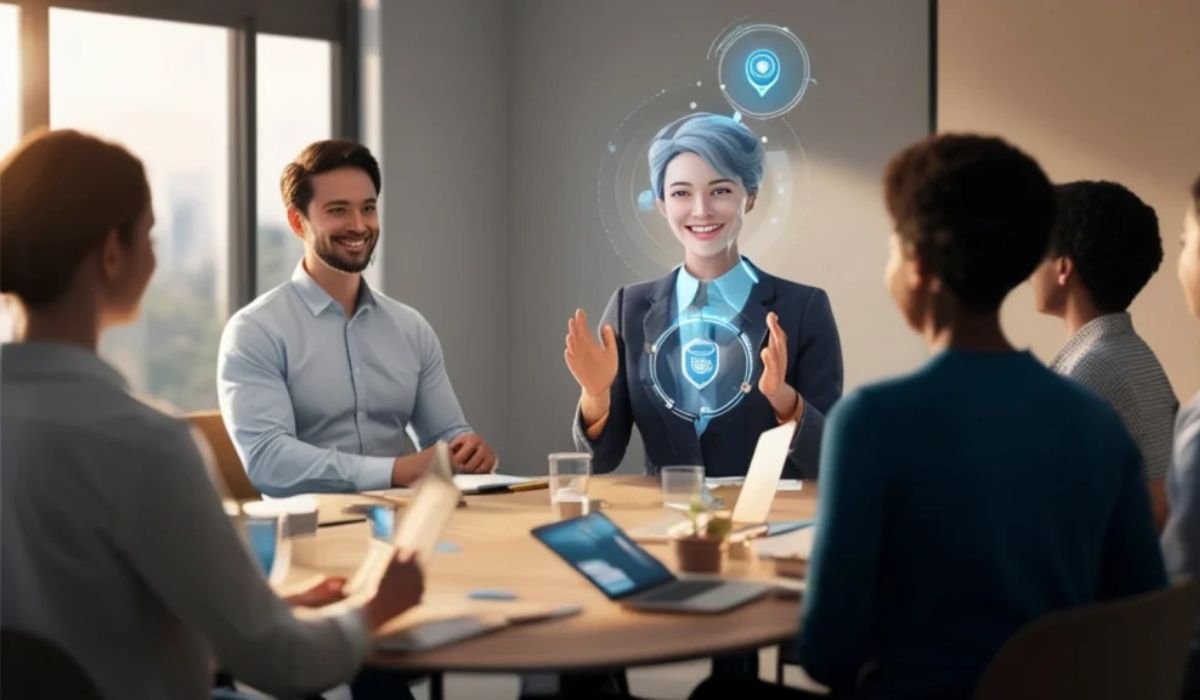






You’re about to start your weekly grocery run when your phone chimes with a gentle, insightful nudge: “Pantry sensors show you’re out of coffee. Adding it to your list. By the way, traffic to your usual store is heavy, but the shop downtown has a sale on your favorite brand.” This isn’t a scene from a distant sci-fi movie; it’s the kind of intuitive, almost thoughtful interaction that ideas like BMVX4 point toward. Right now, BMVX4 isn’t a product you can buy. Instead, it’s a term bubbling up in tech circles, serving as a shorthand for a compelling future where our technology doesn’t just respond—it understands.
Demystifying BMVX4: Concept vs. Reality
Let’s break this down. No major company has unveiled a boxed gadget called “BMVX4.” So, why is there chatter? Think of BMVX4 less like a specific smartphone model and more like a dazzling concept car at an auto show. You can’t drive it off the lot, but it showcases design philosophies and features that might trickle into everyday vehicles in a few years. It crystallizes a set of “what ifs” about our digital lives. You might be wondering, if it’s not real, why should we care? The answer is simple: by exploring this vision, we get a clearer picture of where today’s tech is genuinely headed and how we might prepare for it.
The Core Pillars of the BMVX4 Vision
So, what’s baked into this conceptual pie? While definitions are fluid, a few key ingredients keep coming up.
- Hyper-Personalized AI: This goes beyond asking a voice assistant for the weather. Imagine an AI that learns your work rhythms, your health habits, and even your social preferences to offer proactive, context-aware suggestions.
- Ambient Integration: Technology fades into the background. Instead of staring at screens, information and controls are woven into your environment—through sound, subtle displays, or responsive surfaces.
- Predictive Health & Logistics: Your devices wouldn’t just track your steps; they’d analyze patterns to suggest a walk when you’ve been sedentary too long, or automatically reschedule meetings when it detects you’re under the weather.
- Decentralized Connectivity: Your phone, car, home, and wearables wouldn’t just be connected; they’d act as a single, cohesive system, seamlessly handing off tasks and data.
To see the gap—and the journey—here’s a simple comparison:
| Today’s Tech | The BMVX4 Vision |
|---|---|
| Reactive Assistants (You ask, it answers.) | Proactive Partners (It anticipates your needs.) |
| Multiple App Silos (Data trapped in separate apps.) | A Unified Ecosystem (Data flows securely for a single purpose: helping you.) |
| Screen-First Interaction (You need to look and tap.) | Ambient Interaction (Help comes through intuition, not interruption.) |
Potential Benefits: Why the Buzz Exists
The hype exists because the promise is incredibly relatable. Imagine your calendar not just holding appointments, but intelligently blocking “focus time” before a big deadline because it knows you need preparation. Picture your home adjusting lighting and temperature not on a schedule, but by sensing your activity and stress levels. It’s the promise of a digital life that feels less like managing tools and more like having a capable, invisible ally. This vision of seamless integration is why companies like Apple talk deeply about ecosystem “magic,” and Google’s Moonshot Factory explores ambient computing.
Navigating the Hype: Considerations and Challenges
Now, let’s pump the brakes for a moment. It’s a fair question to ask: what’s the catch? A system this integrated requires profound trust and raises big questions.
- Privacy: Who controls oceans of personal data? A BMVX4-like system would need “privacy by design” at its core, giving you clear control.
- Digital Burnout: Could constant, subtle anticipation become overwhelming? The line between helpful and naggy is thin.
- The Cost of Adoption: This wouldn’t be a single affordable gadget. It’s a premium, interconnected suite, potentially widening a digital divide.
The adoption journey wouldn’t be a simple flip of a switch. We’d likely face hurdles like tech complexity, initial high costs, and inevitable early-stage bugs that could frustrate users.
How to Engage with Tomorrow’s Tech Today
The good news? You don’t have to wait for a mythical BMVX4 product to start building a more intuitive tech life. You can lay the groundwork right now.
- Audit Your Ecosystem: Look at your smartphone, smart speaker, and wearables. Are they working together? Enable basic integrations (like smart home routines) to see how connected devices can save you time.
- Experiment with Automation: Tools like IFTTT or advanced smartphone shortcuts are training wheels for predictive tech. Set up one automation that solves a daily friction point (e.g., “text my ETA when I leave work”).
- Curate Your Feed: Follow thinkers in human-computer interaction and ambient computing. Their insights help you separate sustainable trends from fleeting fads.
Conclusion
Ultimately, the value of a concept like BMVX4 isn’t in waiting for a specific brand to launch it. It’s in using that vision as a lens to see the potential in our current tools and to thoughtfully demand better, more integrated, and more private technology. The future of personal tech isn’t just about newer specs; it’s about richer context. Start building your own seamless, efficient system with what you have today.
What’s one small way you’d like your tech to proactively make your day better? Share your idea!
You May Also Like: About iaoegynos2: Your Conceptual Guide to the Future of AI Automation
FAQs
Q: Is BMVX4 a real product I can buy?
A: Not currently. It’s best understood as a conceptual umbrella term for a set of advanced, integrated technologies that may influence future products from various companies.
Q: What does BMVX4 stand for?
A: There’s no official definition. In online tech discourse, it appears to be a speculative codename or label for a next-generation tech ecosystem, not an acronym with fixed terms.
Q: How is BMVX4 different from my current smartphone AI?
A: The concept suggests a fundamental shift from reactive assistants (you ask, it answers) to a proactive, ambient system that understands context and anticipates needs across all your devices and environments without being asked.
Q: Are there any privacy risks with such integrated technology?
A: Absolutely. A system this personalized would require unprecedented data access, making robust privacy-by-design frameworks, transparent data policies, and clear user control paramount. It’s the central challenge of the vision.
Q: Which companies are working on something like BMVX4?
A: While no company has announced “BMVX4,” tech giants like Apple (with its deep ecosystem focus), Google (Ambient Computing), and Samsung (connected living) are all exploring pieces of this integrated future vision.
Q: When can we expect this kind of technology?
A: We’re already seeing early pieces (predictive text, basic smart home routines). A fully realized vision, however, is likely years away, dependent on breakthroughs in AI, sensor fusion, and industry-wide cooperation on standards.