





Ever felt that spark of a brilliant idea, only to watch it fizzle out when faced with the cold reality of office politics, budget constraints, or just plain old organizational inertia? You’re not alone. For even the most seasoned executive, driving true, growth-sparking innovation can feel like shouting into a void. What if you had a trusted circle of the world’s sharpest minds to test that idea with? A place where you could move beyond theory and into practice, surrounded by peers who’ve been in the trenches?
That’s the exact gap the Kellogg Innovation Network (KIN) was built to fill. It’s more than a network; it’s a curated global ecosystem where transformation is not just discussed, but activated. This guide will walk you through everything you need to know about this unique community—its origins, its secret sauce, and why it remains one of the most influential forums for leaders serious about shaping the future.
The Basics: What Exactly is the Kellogg Innovation Network (KIN)?
Let’s break it down simply. Imagine the most stimulating, high-level executive retreat you’ve ever attended. Now, imagine that retreat is part of a permanent, invitation-only global community with continuous access to groundbreaking faculty, cross-industry pioneers, and practical frameworks. That’s KIN in a nutshell.
Founded in 2003 by two Kellogg School of Management visionaries, Professor Mohanbir Sawhney and Robert C. Wolcott (who continues to lead it as Co-Founder and Executive Director), the KIN was born from a powerful insight: innovation’s toughest challenges are rarely technical. They’re human, organizational, and systemic. Solving them requires perspectives that break out of traditional silos.
At its core, the Kellogg Innovation Network is:
- Invitation-Only: Membership isn’t bought; it’s earned and offered. This ensures a committed, high-caliber community of doers, not just talkers.
- Global & Cross-Sector: It connects senior executives, thought leaders, and practitioners from business, government, nonprofits, and the arts. A Fortune 500 CEO might brainstorm with a mayor, a symphony director, and a humanitarian NGO founder.
- Action-Oriented: The goal isn’t just interesting conversation. It’s to “accelerate innovation-led growth.” This means providing leaders with the tools, relationships, and insights to implement real change back home.
A Brief History: How the KIN Grew from a Classroom Idea to a Global Force
Every great innovation has a story. The KIN’s began in the classrooms of Kellogg, where Sawhney and Wolcott were exploring the messy, real-world challenges of corporate innovation. They saw that their executive students often learned as much from each other as from the faculty. Why not create a structured, enduring platform to extend that peer-learning magic beyond the course?
Since its launch, the KIN has evolved from a small gathering into a vibrant, global nexus. It has convened hundreds of leaders on every inhabited continent, tackling issues from digital transformation and urban resilience to the future of healthcare and sustainable capitalism. Its longevity—over two decades and counting—is a testament to the enduring value it provides in a rapidly changing world.
How the KIN Works: Membership, Gatherings, and the “Magic” in the Middle
So, what does being part of the Kellogg Innovation Network actually look like? It’s not about paying dues and getting a newsletter. It’s an active engagement model.
The Who: The KIN Community
The community is a blend of:
- KIN Fellows: Senior leaders (often C-suite or rising VPs) from major corporations who are driving innovation agendas.
- KIN Partners: Leaders from government, non-profits, and cultural institutions.
- Kellogg Faculty: World-renowned scholars who provide rigorous research and frameworks.
- KIN Alumni: A growing body of past participants who remain engaged.
The How: Catalytic Gatherings & Ongoing Engagement
The most visible elements are the curated events, but the real work happens between them.
- Global Summits: Flagship, often annual, events focused on a pressing global theme (e.g., “The Compassionate Corporation,” “Leading in an Age of Anxiety”). These are not panel-heavy conferences. They are interactive working sessions, using design thinking and scenario planning to produce actionable insights.
- KIN Catalysts: Smaller, focused workshops designed to tackle a specific challenge or opportunity in depth, often for a subset of members.
- The Digital Lifeline: A private platform allows for continuous dialogue, resource sharing, and collaboration year-round, turning a periodic event into a permanent community.
The Visual Breakdown: KIN vs. Traditional Networks
| Feature | Traditional Networking Conference | The Kellogg Innovation Network (KIN) Approach |
|---|---|---|
| Access | Open to all who can pay. | Invitation-only, curated for seniority and impact. |
| Goal | Knowledge dissemination & networking. | Actionable insight generation & trusted relationship building. |
| Format | Speaker-focused panels and lectures. | Participant-driven workshops, dialogues, and co-creation sessions. |
| Community | Transactional; often ends with the event. | Ongoing and committed; designed for long-term collaboration. |
| Outcome | You leave with business cards. | You leave with a personal board of advisors and a plan. |
Why It Matters: The Tangible Benefits of KIN Membership
In a world awash with think tanks and executive forums, what makes the KIN unique? It comes down to three powerful benefits:
- Trusted Problem-Solving: You gain a “safe space” to present your organization’s thorniest challenges and get honest, experienced feedback from people who have no stake in your office politics. It’s like having an elite, external innovation team at your fingertips.
- Cross-Pollination of Ideas: The intentional mix of sectors is its superpower. The arts teach business about narrative and experience. Government teaches about scale and systemic impact. This diversity prevents groupthink and sparks truly novel solutions.
- Access to Kellogg’s Latest Thinking: Members get a front-row seat to emerging research and frameworks from one of the world’s top business schools, translated into practical tools for leadership.
Debunking Common Myths About the Kellogg Innovation Network
- Myth 1: “It’s just an exclusive club for Kellogg alumni.”
- Reality: While deeply connected to Kellogg, the KIN network is global and diverse. Many members have no prior affiliation with the school. The common thread is leadership caliber and a commitment to applied innovation, not alma mater.
- Myth 2: “It’s all theoretical business school talk.”
- Reality: The opposite is true. KIN is famously practical. The discussions are grounded in the real-world challenges members are facing right now. The focus is on “so what?” and “what’s next?”
- Myth 3: “If I can’t join, there’s no value in knowing about it.”
- Reality: Understanding the KIN’s model offers a blueprint for how to think about innovation leadership. It champions cross-sector collaboration, trusted peer networks, and action-oriented dialogue—principles any leader can adopt within their own sphere.
Real-World Impact: Where KIN Ideas Have Taken Root
The proof is in the outcomes. While much of the work is confidential, the KIN’s influence can be seen in:
- Corporate Transformation: Executives have reshaped their company’s innovation pipelines, built new venture studios, and developed more human-centric leadership styles after KIN engagements.
- Public Initiatives: Insights from KIN gatherings have influenced urban development projects, educational reforms, and public-private partnerships aimed at societal challenges.
- Personal Leadership Journeys: Countless members cite KIN as a pivotal point in their development, giving them the courage and toolkit to lead more transformative change.
Your Next Steps: How to Engage with the KIN Ecosystem
While direct membership is by invitation, the spirit and insights of the KIN are more accessible than you might think.
- Follow the Thought Leadership: Read articles and books by KIN founders Bob Wolcott and Mohan Sawhney, and follow Kellogg’s thought leadership on innovation.
- Emulate the Principles: In your own work, actively seek perspectives outside your industry. Create “safe space” dialogues with trusted peers. Focus conversations on actionable next steps.
- Explore Related Programs: The Kellogg School offers numerous executive education programs on innovation and leadership that embody the KIN philosophy and can be a pathway to deeper engagement.
5 Practical Tips to Innovate Like KIN Member:
- Build Your Mini-KIN: Curate a personal advisory board of 5-6 people from wildly different backgrounds.
- Ask Better Questions: Shift from “How do we solve X?” to “Who outside our field has already solved something like X?”
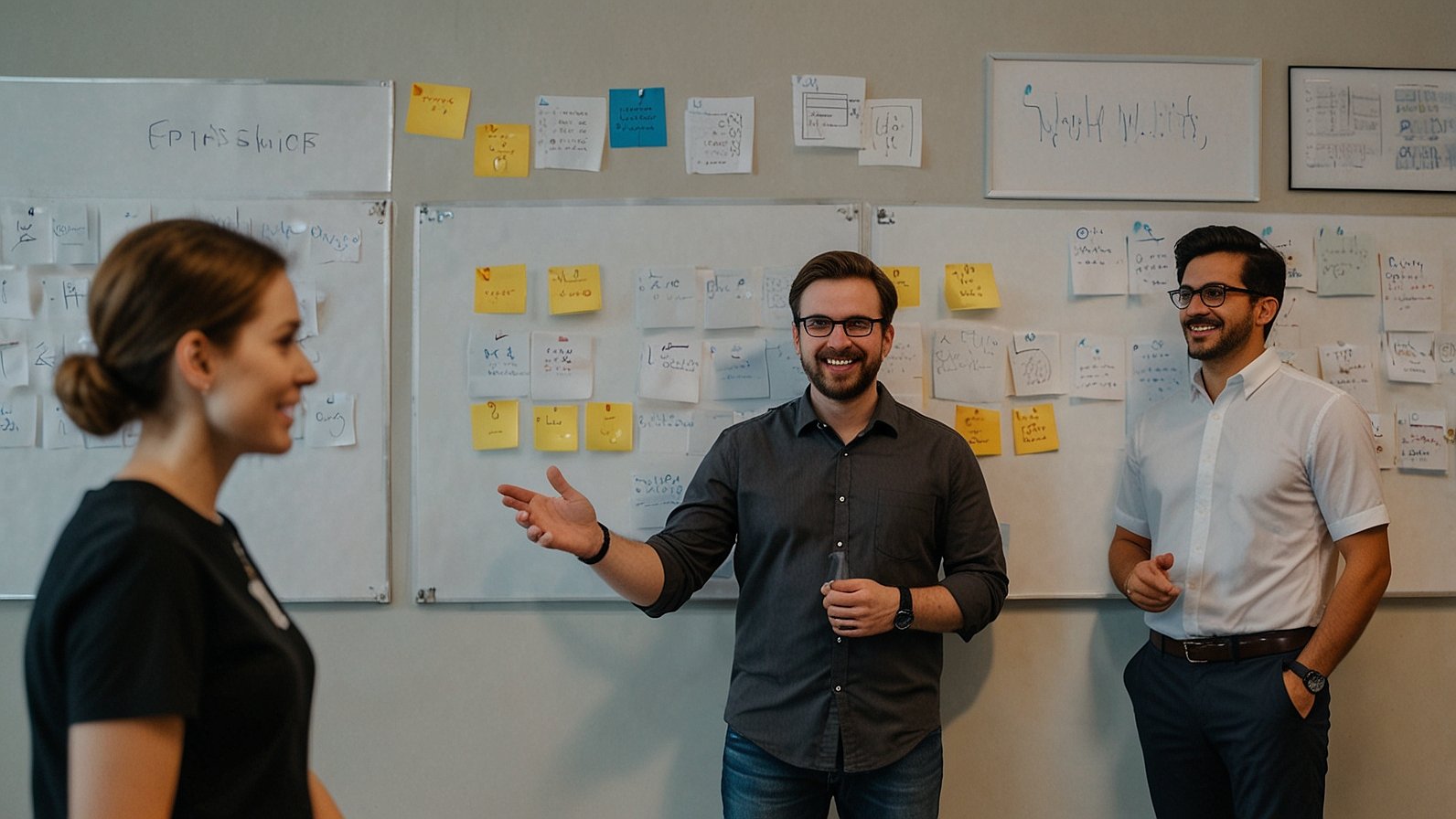
- Host a Working Session: Ditch the presentation deck. Gather a team around a whiteboard with one problem and a timer.
- Study the Arts: Go to a play, visit a museum, and ask, “What does this teach me about engagement, narrative, or experience?”
- Focus on Implementation: Always end a brainstorming session with the question: “What is the one, small thing we will do by Friday to test this?”
The Kellogg Innovation Network represents a powerful truth: in a complex world, the wisdom to move forward is rarely found in isolation. It’s forged in the collision of diverse experiences, guided by rigorous thinking, and committed to tangible progress. It’s not a club you simply join; it’s a mindset you can learn from and aspire to.
What’s one way you could break out of your professional echo chamber this week? Share your thoughts!
You May Also Like: Solving the Most Common Problem on Llekomiss Software
FAQs
Can I apply to join the Kellogg Innovation Network?
No, the KIN does not have a public application process. Membership is by invitation only, extended to senior leaders based on their role, impact, and potential to contribute to and benefit from the community.
How much does it cost to be a KIN member?
Specific financial details are not publicly disclosed, as involvement is invitation-based. Engagement typically involves participation in events and programs, which have associated costs.
Is the KIN only for Kellogg School of Management alumni?
Not at all. While the network is founded at and deeply connected with Kellogg, it is a global community. Many members, including those from the public and social sectors, have no prior affiliation with the university.
What kind of topics does the KIN tackle?
Themes are forward-looking and broad, addressing the intersection of leadership, innovation, and global challenges. Past topics include ethical AI, sustainable capitalism, the future of cities, and organizational resilience.
How often does the KIN meet?
The community convenes for major global summits periodically (often annually) and more frequently for smaller, topical “Catalyst” workshops. Engagement continues year-round via digital platforms.
Who are some notable people involved with KIN?
The community comprises sitting senior executives from global corporations, government officials, non-profit leaders, and prominent Kellogg faculty. Specific member lists are private to foster open dialogue.
Does KIN produce published research?
While not a traditional research institute, insights from KIN dialogues often inform the work of Kellogg faculty and are shared through articles, case studies, and books by its founders and associated thought leaders.